
Beyond the Beaches: Hidden-Gem Bermuda for the Curious Traveler
This article has been written by Carolyn Meredith

A deeper look at the island’s caves, coastlines, colonial heritage, and the quiet wonders that most visitors miss.
For many, Bermuda is the iconic postcard — pink-sand beaches, turquoise seas, pastel cottages, and easy island breezes. And yes, those elements are undeniably part of its charm. But peeling back the surface reveals a far richer tapestry: an island shaped by geology, history, nature and culture; a place where quiet coves meet sea caves, where colonial remains meet vibrant present-day life, where laid-back relaxation shares space with underwater mystery.
Where Pink Sand Meets Subterranean Magic
Start with the obvious: one of the world’s most beautiful natural backdrops. Horseshoe Bay Beach — perhaps Bermuda’s most famous beach — delivers that dream-island fantasy: curved shoreline, powdery pink sand, and calm, inviting water.
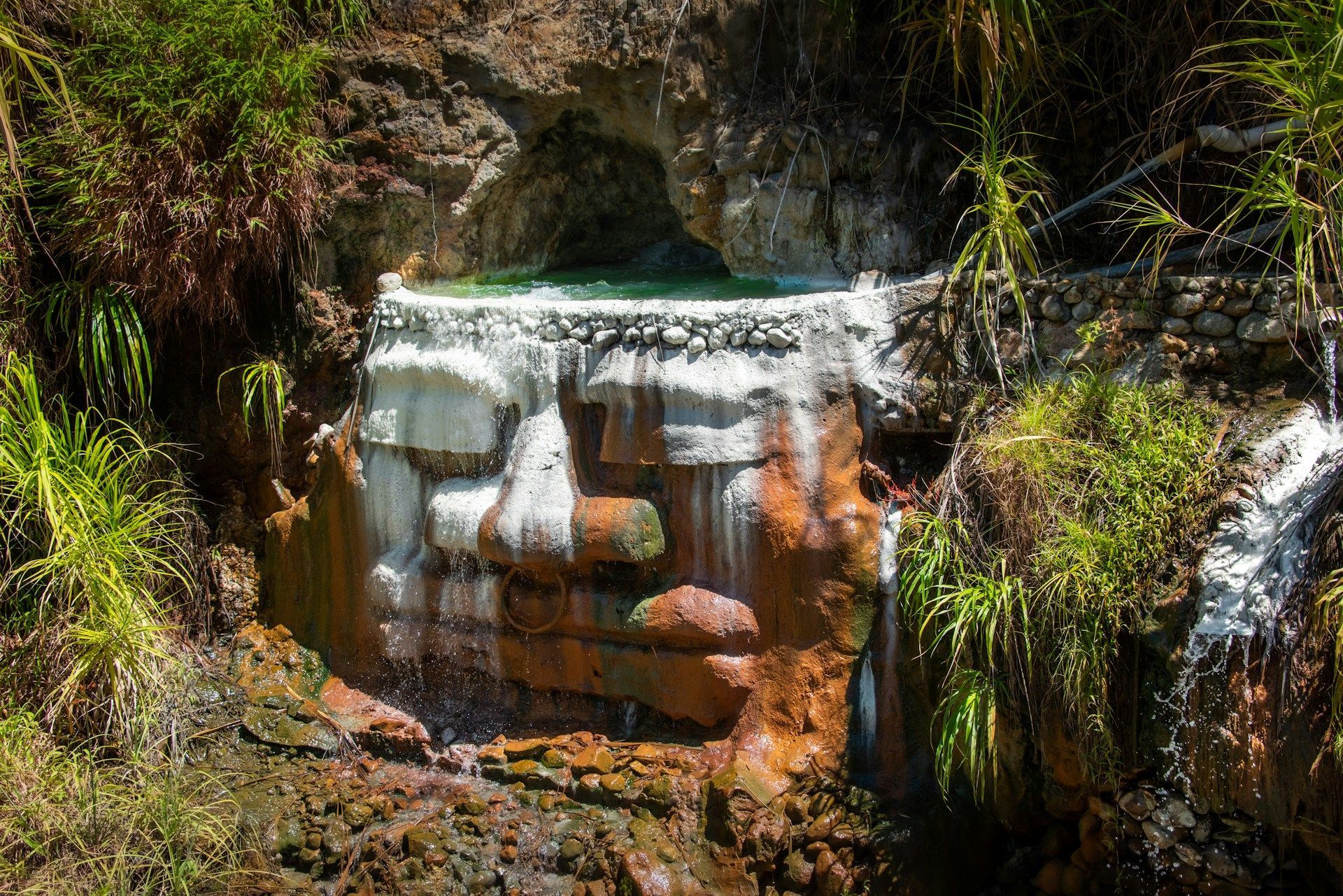
But beauty in Bermuda isn’t limited to sand and sun. Walk inland a short distance to descend into the otherworldly Crystal Cave (paired often with the nearby Fantasy Cave). Below a lush tropical garden lies a network of limestone caverns — stalactites hanging from ceilings, crystal-clear pools, and an echoing hush that feels like an underground cathedral.
The contrast is almost too vivid: pink beaches under warm sun; 60 feet beneath, underwater lakes shimmering in calm stillness. Both deserve a spot on any itinerary.
History, Highlights & Island Life
Bermuda’s coastline tells a story not only of beauty but of hardship and endurance. Over centuries, reefs and shoals proved deadly to ships — wrecks abound underwater, a sombre legacy that lingers in legends and in underwater exploration.
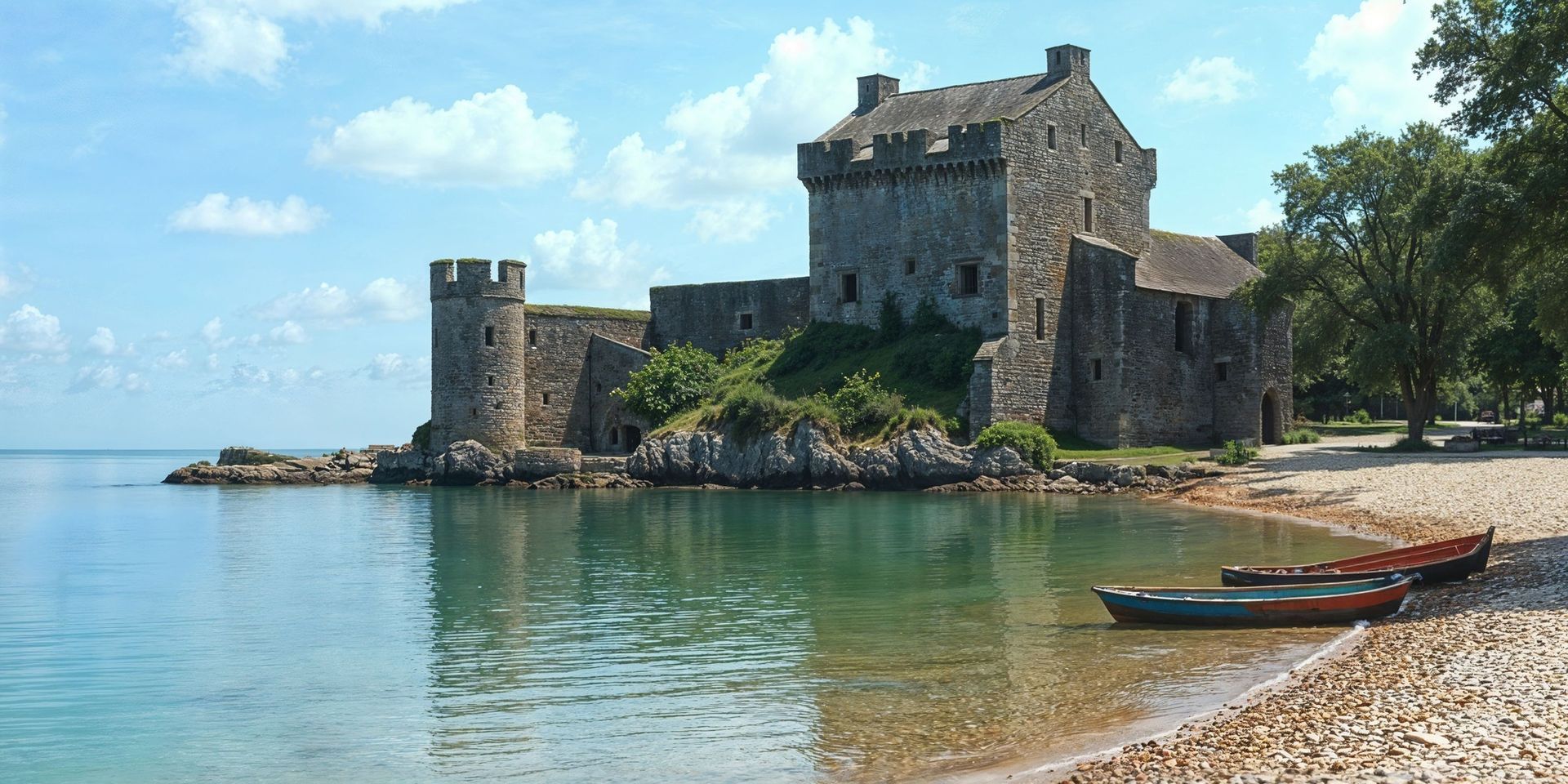
Above ground, you can explore colonial-era towns like St. George's — a UNESCO-listed settlement where pastel houses, centuries-old churches, and narrow streets speak of a layered past.
For a sweeping view that captures both sea and land, climb Gibb's Hill Lighthouse — one of the world’s oldest cast-iron lighthouses. From its vantage point, the wave-tipped reef-line, lush greenery, and tiny settlements painted in soft hues stretch before you like a watercolor dream.
Quiet Shores & Wild Corners
Skip the crowded beaches (though they’re lovely) and seek out tranquility on the softer fringes of the island. Spittal Pond Nature Reserve — Bermuda’s largest wildlife sanctuary — offers wetlands, mangroves and an opportunity to glimpse seabirds and ecosystems far removed from resort life.
If you’re lucky enough to time your trip outside peak season, beaches like secluded coves near the railway-trail paths or lesser-known stretches along the north shore give you a sense of solitude — a far more contemplative island experience where the only rhythm is tide and breeze.
Water & Waves — Beyond the Lounger Life
Horseshoe Bay may dominate the postcards, but for those seeking more adventure, Bermuda offers world-class snorkeling and diving — thanks to vibrant reefs and hundreds of wrecks resting on the ocean floor.
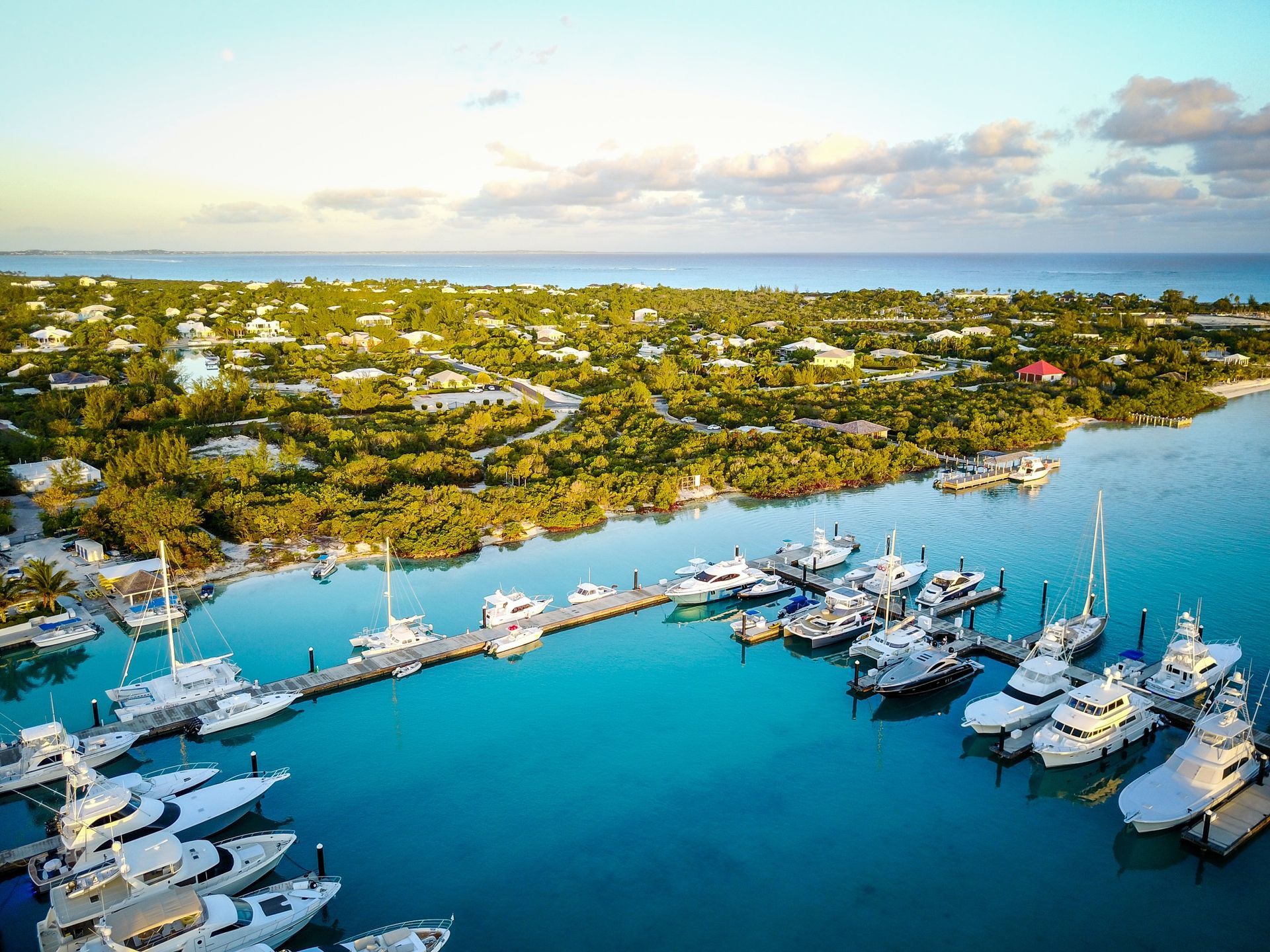
Want to stay above water but still embrace sea life? Grab a kayak or small boat, cruise the coast, peek at hidden coves, glide along reef-edge, and sip something chilled on the deck. The open water around Bermuda is as inviting as the shoreline, but with a touch of mystery and magic.
Eat, Drink & Feel the Island Vibe
Bermudian cuisine and culture are intimate bedfellows of the sea. You’ll find hearty plates of fish chowder or freshly fried fish sandwiches on toasted raisin bread — simple, satisfying, and infused with local flavor.
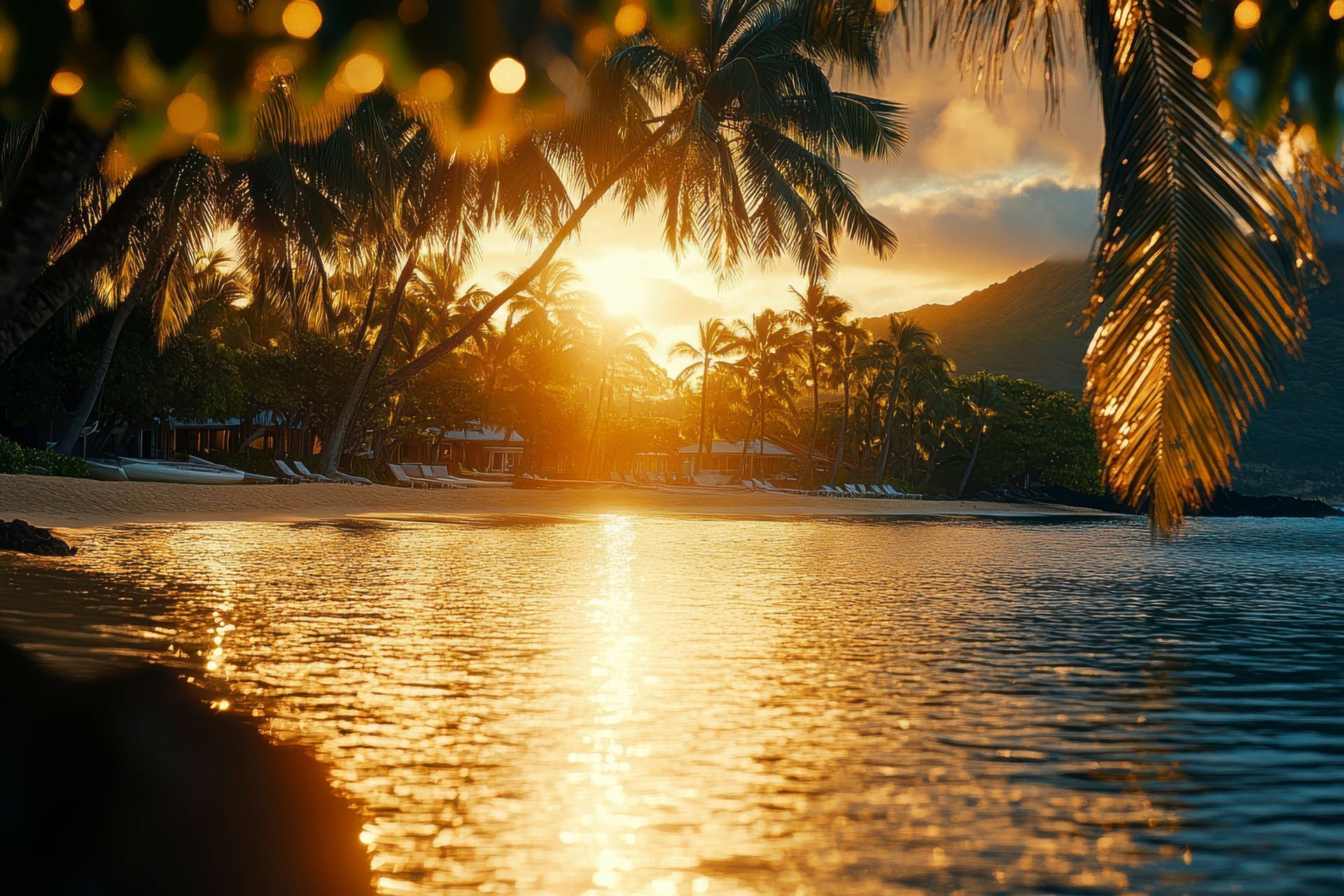
And for cocktail hour, don’t skip a legendary island-classic: the Rum Swizzle — a tropical mix of dark rum, fruit juices and bitters, perfect for sipping at sunset while the horizon glows pink.
Evenings or rainy afternoons can be filled with mellow island walks through colonial streets, perusing pastel-colored buildings on the harbor in Hamilton, ducking into art galleries or cozy restaurants, and letting yourself drift into the slow pace of island living.
When to Visit & How to Move
Bermuda is an all-year island, but many travelers find late spring through early fall ideal — warm seas, comfortable air, and plenty of daylight. For a slightly more serene experience, the shoulder seasons (late spring, early fall) deliver mild weather and fewer tourists.
Getting around is delightfully simple: a network of buses and ferries connects the main spots. For the more adventurous, renting a scooter or bicycle can offer a sense of freedom — though for less experienced riders, public transport is a reliable, easy option.
Why Bermuda Keeps Calling You Back
Bermuda isn't just about pretty beaches and sunlit vacations. It's a place where history whispers in limestone caves, where hidden reefs cradle secrets, where pastel towns harbor stories of generations long gone and still living. A place where you can lose a day staring at waves, or spend a week reading the tides, the wind, the light — and come away changed by quiet wonder.
Share this article