Where Rainforests Breathe: Dominica's Wild Symphony of Water and Wonder
The Caribbean's Nature Island Emerges as 2026's Ultimate Escape for the Soul-Hungry Traveler
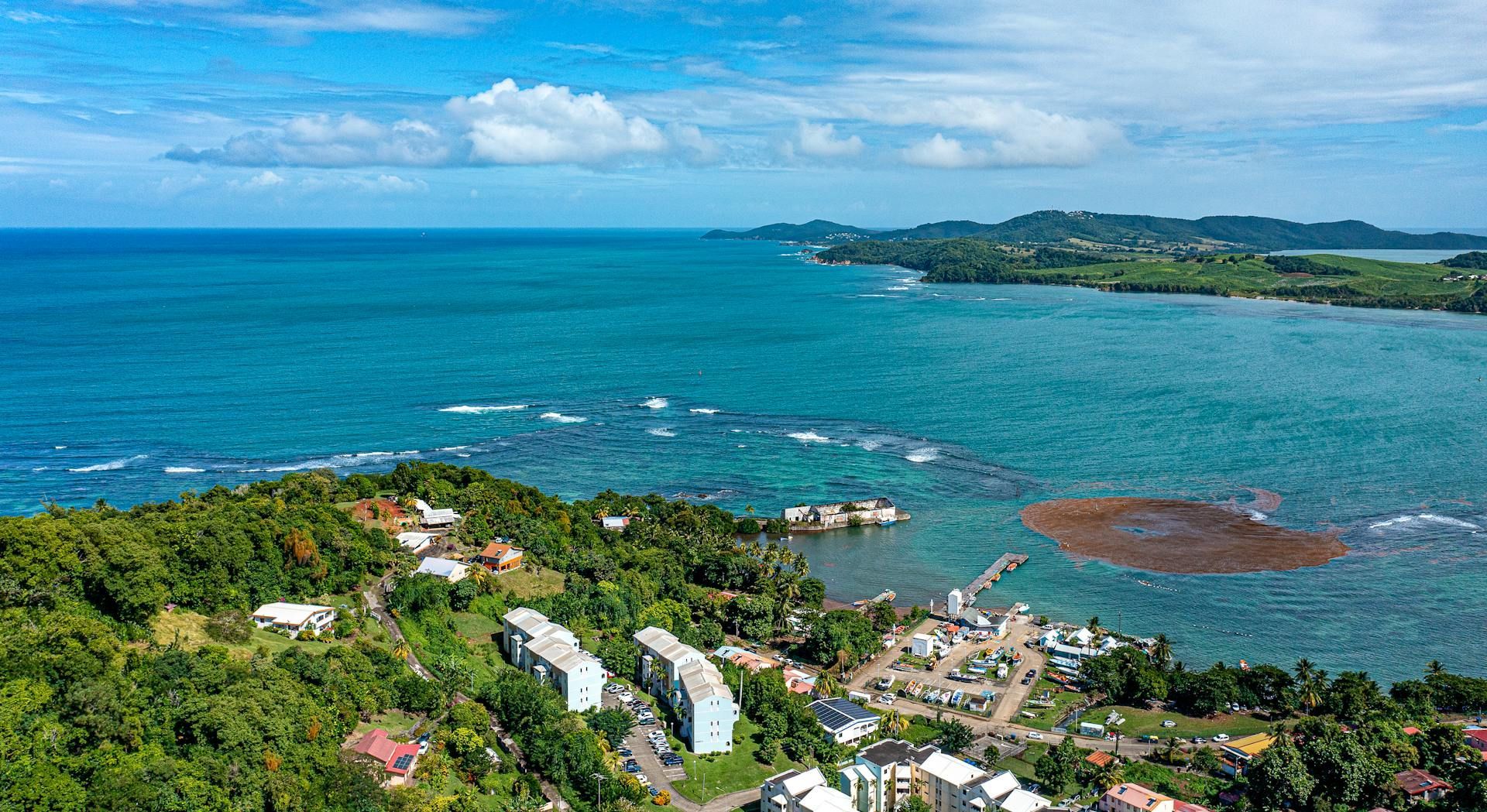
There are islands that whisper, and there are islands that sing. Dominica roars.
Not with the manufactured volume of cruise ship horns or beach bar speakers, but with the primal voice of waterfalls crashing into emerald pools, of waves breaking against volcanic cliffs, of wind moving through rainforest canopy like breath through ancient lungs. This is the Caribbean stripped of artifice, returned to its essential wildness, offering something increasingly rare in our curated, filtered, commodified world: authentic, untamed beauty that doesn't apologize for its rough edges.
National Geographic didn't just name Dominica to their Best of the World 2026 list. They placed it at the top of their Caribbean picks—a profound recognition for an island that has always marched to its own drum, that chose preservation over development, that said no to cruise ship terminals and yes to sperm whale sanctuaries.
If you're tired of resorts that all look the same, of beaches so manicured they've lost their soul, of Caribbean vacations that feel more like shopping malls with ocean views—then Dominica is calling your name. And in 2026, with new infrastructure making access easier than ever, there has never been a better time to answer.
The Geography of Awe
Dominica rises from the Caribbean Sea like something mythological—a 29-mile-long island of volcanic peaks, boiling lakes, sulfur springs, and rainforests so dense you could spend a lifetime exploring them and still find new wonders. This isn't an island you conquer. It's an island you surrender to.
The statistics tell part of the story: 365 rivers. Over 300 miles of hiking trails. Nine active volcanoes. A World Heritage Site. The second-largest boiling lake on Earth. The only UNESCO World Heritage Site in the Eastern Caribbean. But statistics are just numbers. To understand Dominica, you have to feel it.
You have to stand at the edge of Trafalgar Falls, where twin cascades plunge into pools—one cold as mountain snow, one heated by volcanic activity beneath the earth. You have to wade into the Champagne Reef, where bubbles rise from the seabed like tiny miracles, turning snorkeling into an experience somewhere between swimming and floating through champagne. You have to hike the Waitukubuli National Trail, 115 miles of footpaths through 14 segments that reveal this island's soul one step at a time.
Hemingway would have loved Dominica. It has that quality he always chased—that sense of encountering something real, something that demands your respect, something that reminds you how small and how magnificent you are simultaneously.
2026: The Year Everything Changes
United Airlines launched direct flights from Newark to Dominica in 2025, adding a Wednesday frequency to their Saturday service. This matters more than you might think. For decades, reaching Dominica required connecting through other Caribbean islands—a barrier that kept visitor numbers low and preserved the island's unspoiled character. Now, accessibility is improving while the island's commitment to sustainable tourism remains firm.
The game-changer? At the end of 2025, the world's largest cable car system opened, whisking visitors from the valley floor to heights that previously required a six-hour hike. Suddenly, Boiling Lake—the world's second-largest actively boiling body of water—becomes accessible to those who couldn't manage the trek. But here's what's beautiful: The hike remains for those who want it. Dominica isn't replacing adventure with convenience; it's offering options, inviting more people to witness wonders that deserve to be seen.
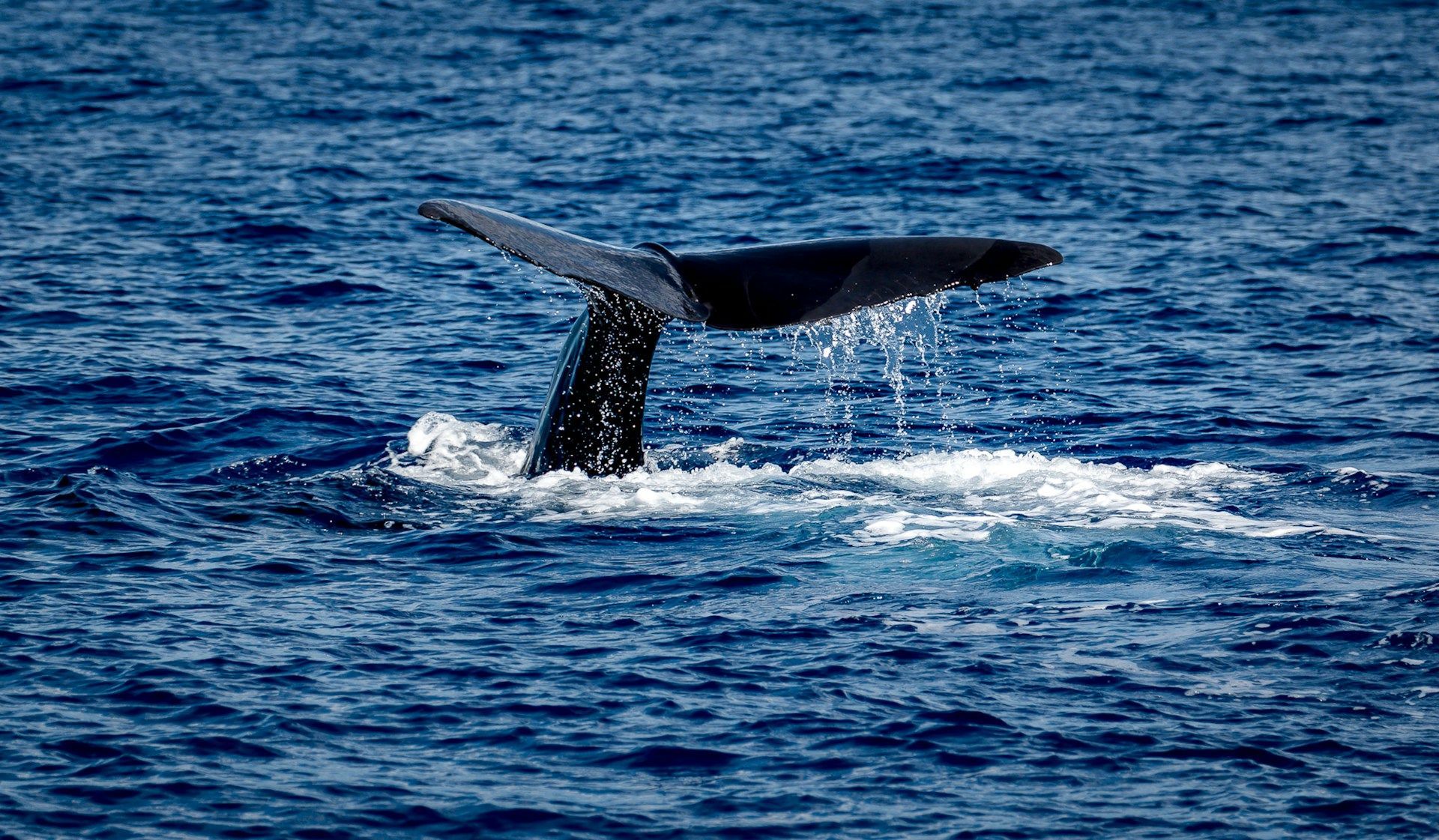
In 2026, Dominica will also open its first whale reserve, protecting the world's largest sperm whale population. Year-round, approximately 200 sperm whales feed and breed in the deep waters off Dominica's coast. This isn't seasonal whale-watching where you hope to glimpse a distant spout. This is marine life so abundant, so accessible, that seeing whales becomes not a stroke of luck but an almost guaranteed encounter with the profound.
Where to Stay: Sanctuaries Within the Sanctuary
Dominica doesn't have mega-resorts with 500 identical rooms. What it offers instead is something more precious: accommodations that feel like they grew organically from the landscape, each with its own personality, each designed to enhance rather than insulate you from your surroundings.
Secret Bay: Clifftop Romance
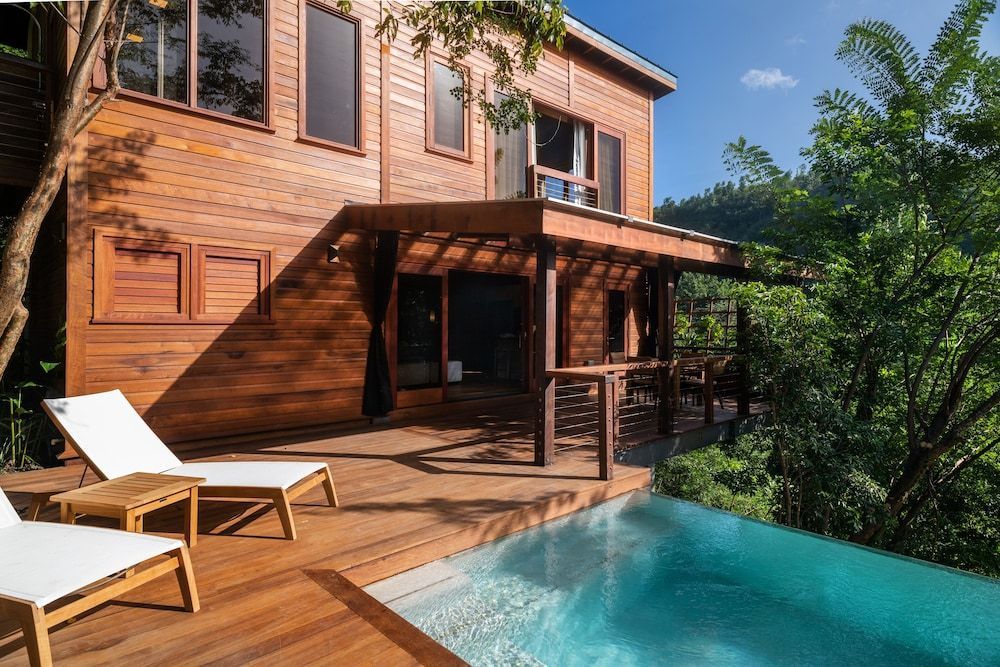
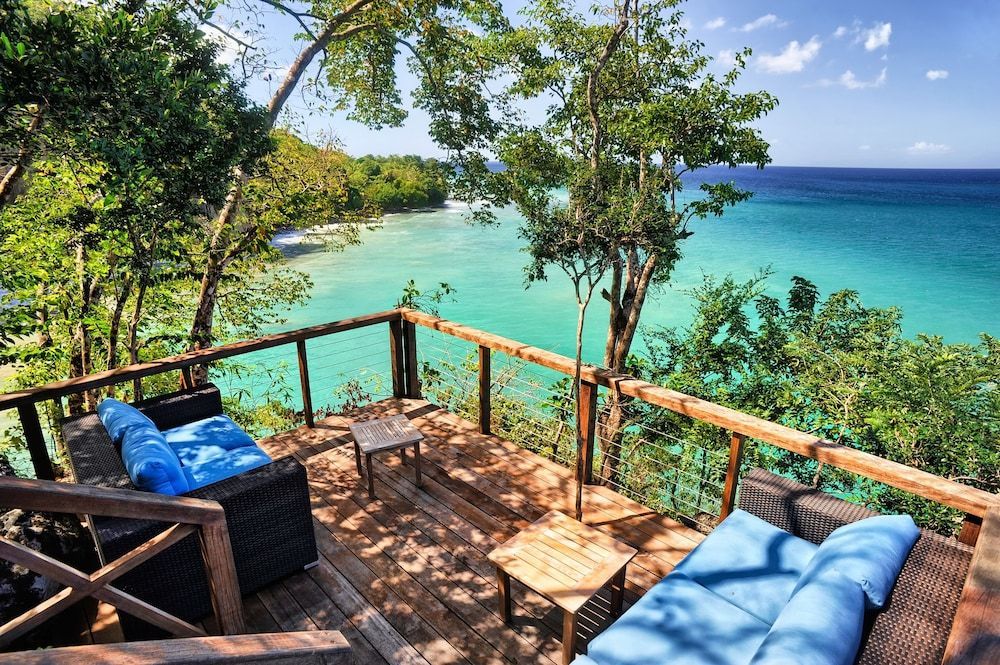
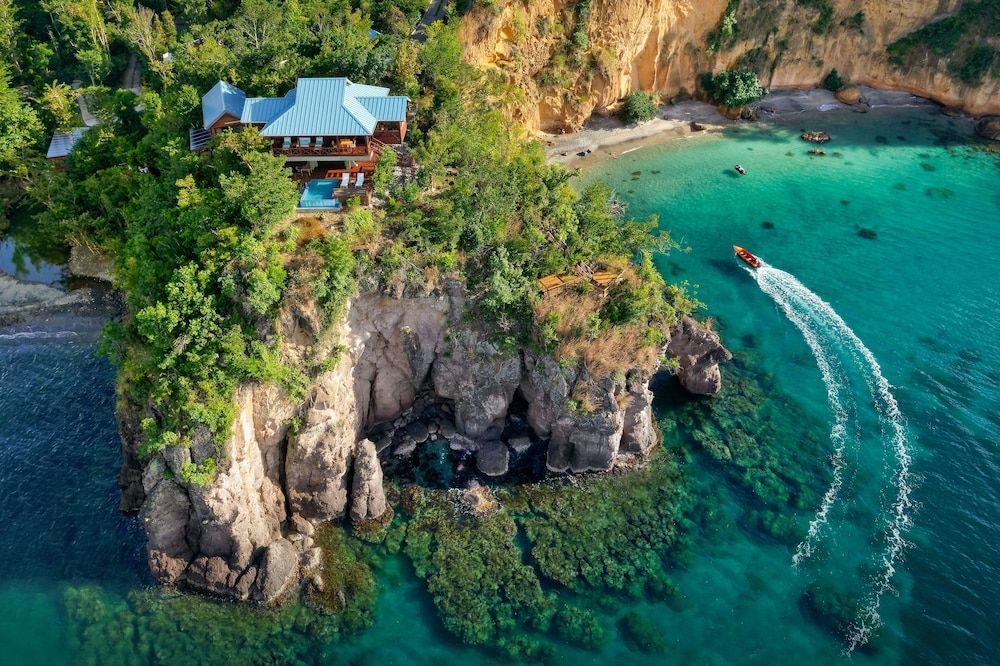
Perched on a cliff overlooking a volcanic black sand beach, Secret Bay consists of 12 luxury villas tucked into six acres of tropical gardens. Each villa is different—some built into cliffside, others nestled in rainforest, all offering privacy so complete you might go days without seeing another guest.
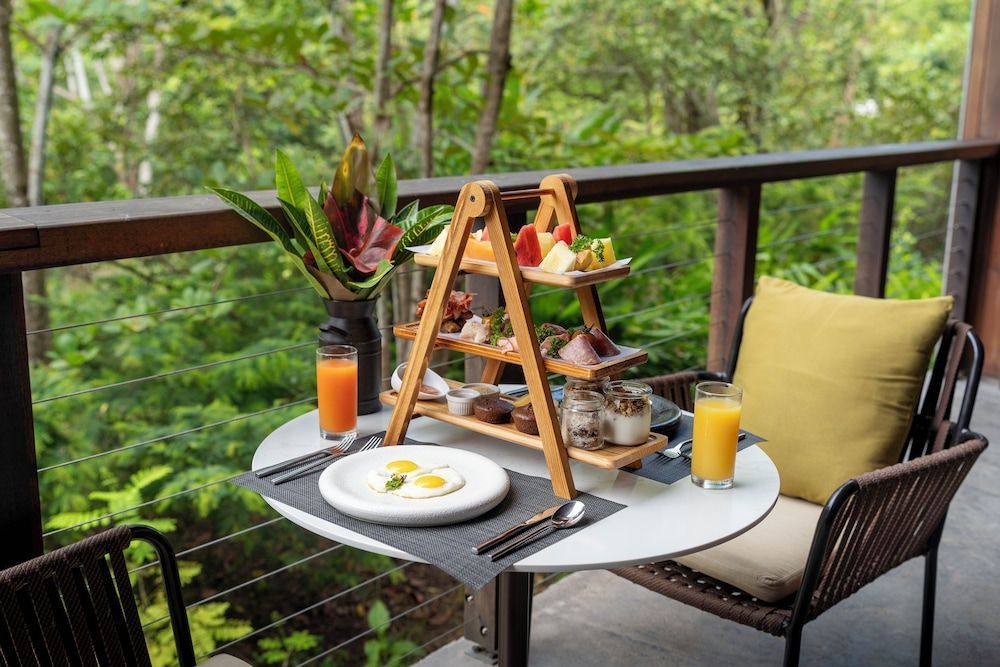
Your villa comes with a plunge pool, outdoor shower, and floor-to-ceiling windows that disappear, erasing the boundary between inside and out. Wake to howler monkeys calling in the distance. Breakfast on your terrace watching frigatebirds ride thermals above the waves. Spend afternoons in your hammock with a book you never quite get around to reading because the view keeps stealing your attention.
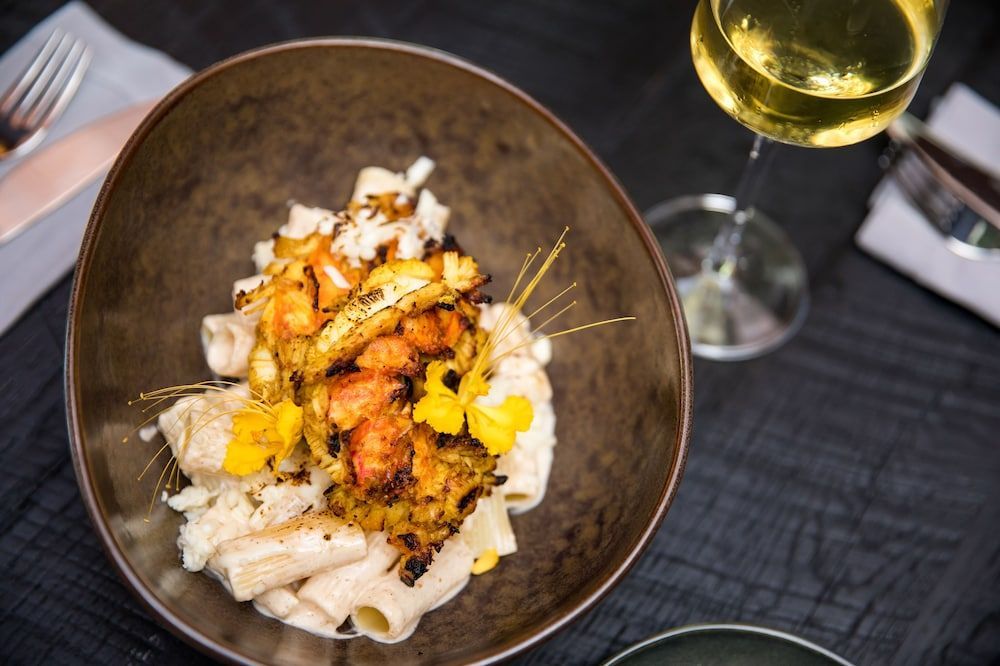
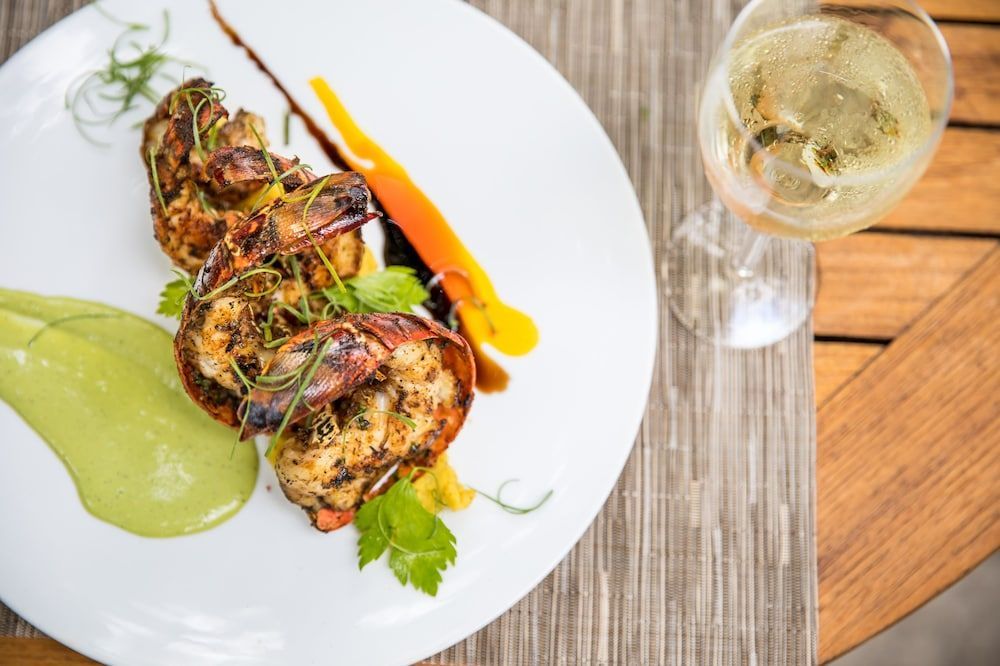
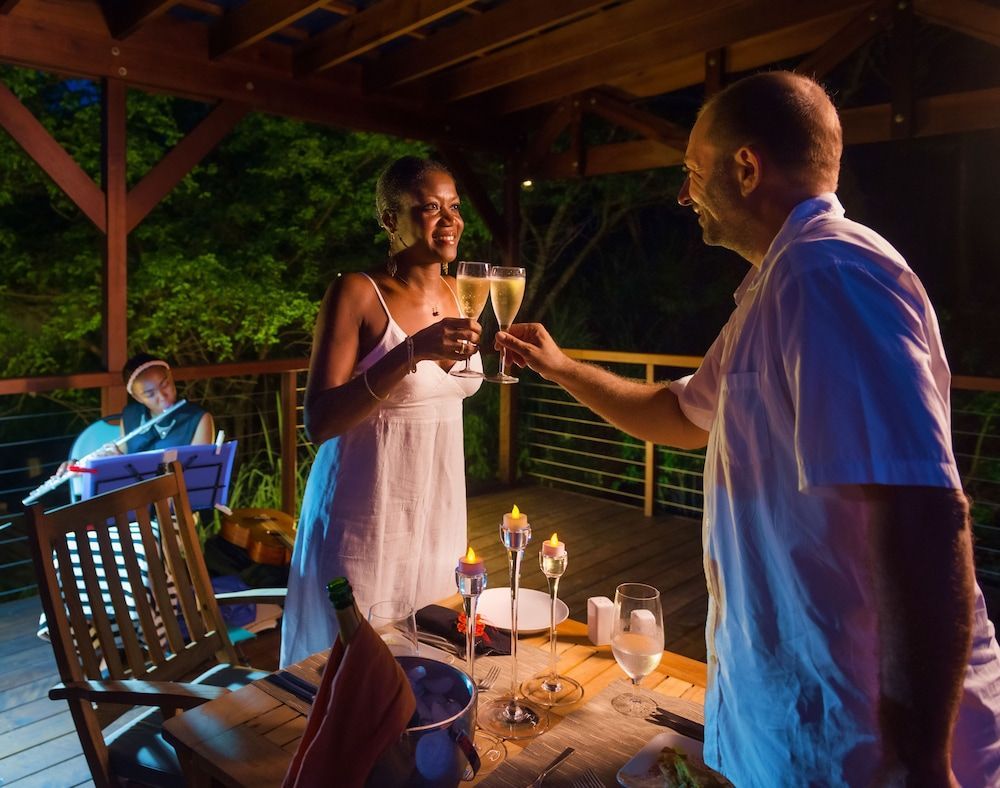
Secret Bay's restaurant serves food that tastes like the island itself—flying fish caught that morning, dasheen provisions grown in nearby gardens, passionfruit picked from trees on the property. This is farm-to-table taken to its logical extreme, where "farm" means the earth beneath your feet and "table" means a candlelit dinner on a cliffside deck as the sun sets over the Caribbean.
Coulibri Ridge: Eco-Luxury with a Conscience
On Dominica's southern coast, Coulibri Ridge offers 14 suites powered primarily by solar energy and rainwater. This isn't roughing it—this is luxury with purpose, proving that comfort and environmental responsibility aren't opposing forces but natural partners.
The two pools here are chlorine-free, using natural filtration systems. The grounds feature endemic plants carefully chosen to attract Dominica's famous parrots. Each suite has its own terrace where you can watch the sun rise over the Atlantic or set over the Caribbean, depending on which direction you face.
What makes Coulibri Ridge special isn't just its eco-credentials—it's the sense of connection it fosters. To the land. To the community. To a way of being in the world that feels increasingly urgent and increasingly rare.
InterContinental Dominica Cabrits Resort & Spa: Where Luxury Meets Adventure
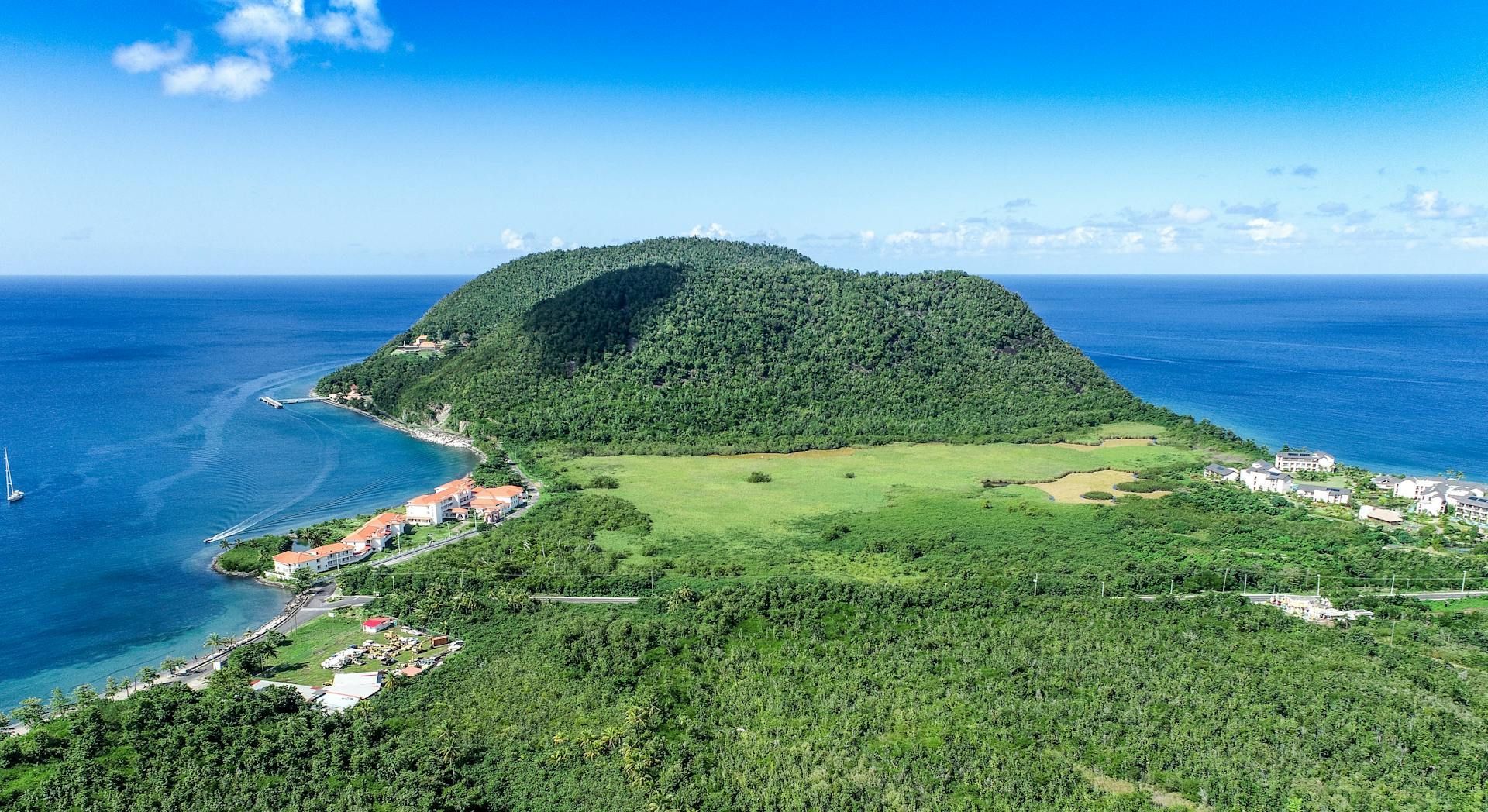
On the edge of Cabrits National Park, the InterContinental represents Dominica's first foray into larger-scale hospitality. It offers easy beach access (important on an island where many beaches are rugged and remote), four restaurants serving everything from local Creole to international cuisine, multiple pools, a world-class spa, and amenities that will satisfy travelers who want both adventure and pampering.
This is the choice for families who need kids' clubs and organized activities. For couples who want the option of room service. For anyone who prefers having choices close at hand rather than venturing out for every meal and activity. The InterContinental doesn't try to be Secret Bay—it offers something different, something equally valid: comfort as home base for exploring rather than escape as destination.
The Waters: Where Earth Meets Ocean
Champagne Reef: Nature's Jacuzzi
Imagine this: You wade into water so clear you can see your toes ten feet down. You put on your mask and dip below the surface. And then you notice them—thousands of tiny bubbles rising from cracks in the volcanic seabed, surrounding you in effervescence. Welcome to Champagne Reef, where underwater volcanic activity creates an experience that feels more like floating through a dream than snorkeling in the Caribbean.
The reef itself teems with life. Hawksbill turtles glide past, unimpressed by your presence. Seahorses cling to sea fans. Colorful sponges carpet the rocks. And everywhere, those bubbles rising like tiny prayers to the surface.
The Rivers: Arteries of Life
Dominica claims 365 rivers—one for every day of the year, as locals love to point out. These aren't lazy, meandering streams. These are powerful, personality-filled waterways that shape the island's character.
The Indian River might be Dominica's most famous, thanks to its starring role in Pirates of the Caribbean. Glide through in a boat rowed by a local guide who knows every bend, every bird, every story. The jungle presses close on both sides. Heliconias bloom in impossible colors. Iguanas sun themselves on overhanging branches. And there, in the river itself, you might spot the critically endangered Dominican river crayfish, found nowhere else on Earth.
But the rivers aren't just for looking. They're for swimming, for cooling off after a hike, for washing away the weight of ordinary life. Find Emerald Pool, where water the color of its name collects in a crystalline basin fed by a gentle waterfall. It's a 20-minute hike from the road—easy enough for most fitness levels, rewarding enough to feel like you've discovered something secret.
Whale Watching: Meeting the Giants
Most whale watching is an exercise in patience—hours scanning empty ocean, hoping for a distant breach. Dominica's whale watching is different. The deep underwater canyon just offshore provides perfect habitat for sperm whales, and they're here year-round. Not seasonally. Not occasionally. Year-round.
Book a trip with one of the island's licensed operators. Your boat leaves from Roseau, the capital, heading into waters so deep they drop to thousands of feet just offshore. Your guide listens through underwater microphones, tracking the whales' clicks and calls. And then—there. A spout. A massive back breaking the surface. Sometimes, if you're fortunate and the whales are feeling social, they'll spy-hop, lifting their enormous heads out of the water to look at you looking at them.
These are among the largest toothed predators on Earth—60 feet long, weighing up to 45 tons. And yet, in the moment of encounter, what you feel isn't fear but awe. A recognition of intelligence, of presence, of another consciousness moving through this world with intention and grace.
The Land: Where Hiking Becomes Pilgrimage
Waitukubuli National Trail: The Caribbean's Only Long-Distance Hike
Waitukubuli—it's the Kalinago word for "tall is her body," the indigenous name for Dominica itself. The trail bearing that name stretches 115 miles from Scotts Head in the south to Cabrits National Park in the north, divided into 14 manageable segments. You can hike the whole thing over two weeks. You can sample select sections over a few days. Either way, you'll come away transformed.
The trail takes you through places few visitors see: remote Kalinago villages where ancient traditions persist, mountaintop forests where endangered parrots call, valleys where rivers run so clear you can drink directly from them. Each segment offers its own character—some easy enough for beginners, others demanding serious fitness and navigation skills.
Local guides trained through the Dominica Discover Authority offer their services for those who want expertise, stories, and safety. Going with a guide isn't required, but it's recommended, especially for solo hikers. What you gain isn't just security—it's context, the kind of deep local knowledge that turns a hike into an education.
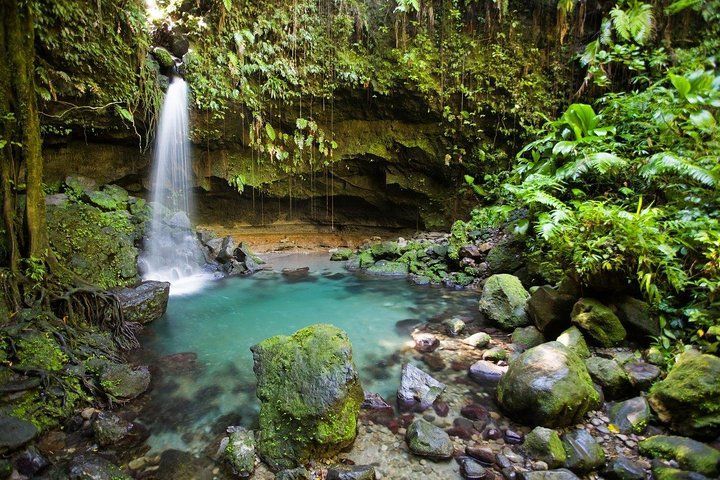
Morne Trois Pitons National Park: UNESCO-Blessed Wonderland
This UNESCO World Heritage Site encompasses 17,000 acres of otherworldly landscape. Boiling Lake, accessible now both by hiking and by the new cable car, sits within its boundaries—a 200-foot-wide cauldron of greenish-blue water that bubbles and steams, heated by volcanic activity far below. Stand at its edge and you're witnessing geological processes most people only read about.
But the park offers so much more. Middleham Falls, at 200 feet, is one of the tallest waterfalls in the Caribbean. The Valley of Desolation looks like something from a science fiction film—a landscape of bare rock, steaming fumaroles, and sulfur-yellow streams where almost nothing grows. Titou Gorge, a narrow canyon you swim through, leads to a waterfall at its end, the scene recreated in a certain pirate movie.
You could spend a week exploring this park alone. Most visitors spend a day or two and leave wishing they'd had more time.
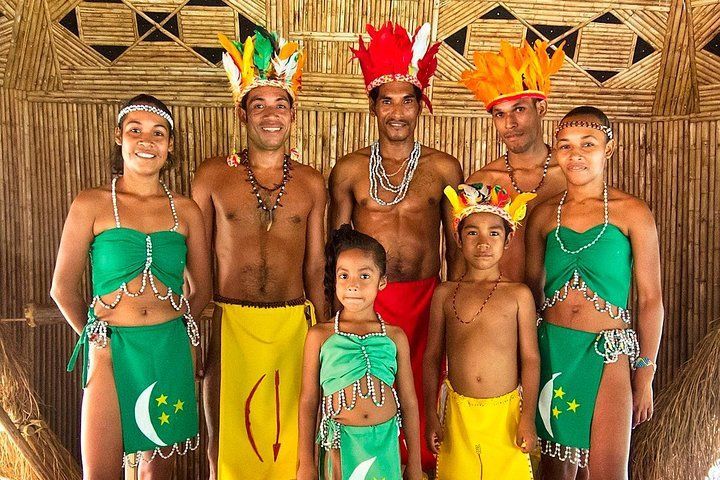
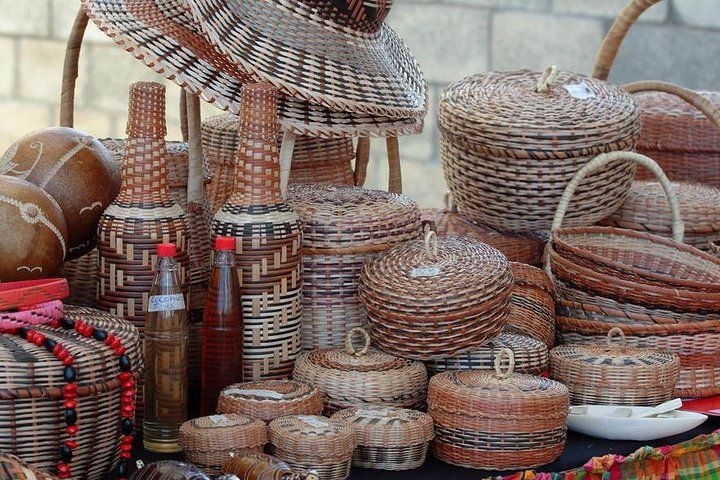
The Culture: Meeting the Kalinago
The Kalinago people are the largest surviving indigenous community in the Caribbean. Their territory on Dominica's east coast offers visitors a chance to engage with traditions that predate European contact by thousands of years.
Visit the Kalinago Barana Autê Cultural Village to witness traditional boat-building, cassava bread-making, and basket-weaving. But the real magic happens when you look beyond tourist performances to the living culture—the language still spoken, the governance structures still honored, the relationship with land and sea that remains central to Kalinago identity.
Consider arranging an overnight homestay through Kalinago Tours. Sleep in a traditional cottage. Share meals with a family. Listen to stories about how the Kalinago survived colonization, slavery, hurricanes, and modernity while maintaining their essential selves. These aren't performances—these are people living their lives, choosing to share their world with respectful visitors.
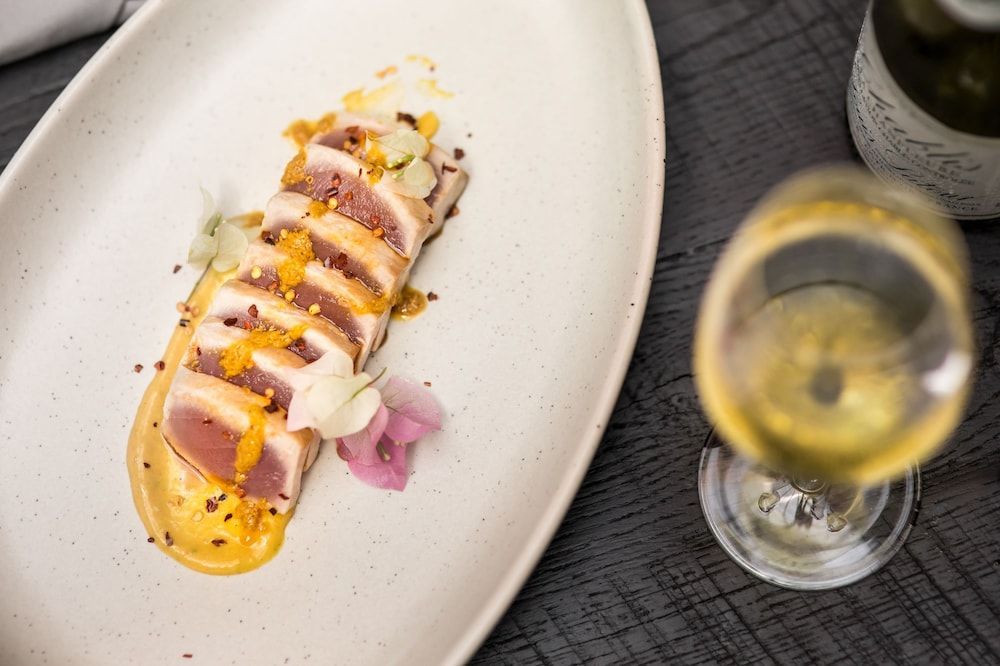
The Food: Tasting the Island's Soul
Dominican cuisine doesn't make international headlines the way Jamaican or Cuban food does, but it should. This is food that tastes like place—provisions like dasheen and taro, fish caught that morning, fruits picked from backyard trees, seasonings that reflect African, Carib, French, and British influences layered over centuries.
Try mountain chicken (actually a large frog, a local delicacy). Sample callaloo soup, thick with leafy greens and coconut milk. Devour accras—salt cod fritters that are crispy outside, fluffy inside, perfect with hot sauce. Order the national dish, mountain chicken with provisions, at a local restaurant and wash it down with a Kubuli, Dominica's local beer.
But the best meals often happen at small roadside shacks where the menu is whatever's cooking that day. Stop at Aunty's (every village has one) and ask what's good. Trust her recommendation. Eat with your fingers if that's what feels right. Pay the modest bill and leave knowing you've just experienced something more authentic than any resort buffet could ever provide.
For Couples: Adventure and Intimacy
Dominica offers couples something rare: the chance to bond through shared adventure without sacrificing romance. Hike to a waterfall in the morning, soak tired muscles in a hot spring in the afternoon, watch sunset from a cliffside restaurant with rum punch in hand as the sky turns the color of mangoes.
Book a private boat tour to spots accessible only by water. Arrange a couples massage at Secret Bay using local coconut oil and bay rum. Or simply disappear into your villa for a day, venturing out only when hunger demands it.
What makes Dominica romantic isn't rose petals and champagne (though you can certainly find those if you want). It's the sense of being somewhere that asks something of you—effort, attention, presence—and rewards you with experiences that become shared stories. "Remember that waterfall?" you'll say years later. "Remember the whales?" And in the remembering, you'll remember not just what you saw but how it felt to see it together.
For Families: Building Resilience Through Wonder
Dominica might not be the obvious choice for families. There are no water parks, no kids' clubs with trained counselors, no buffets with chicken fingers and French fries. But there is something more valuable: The chance for children to encounter a world that isn't designed for their entertainment but exists independent of their presence, inviting them to engage on its terms.
Swimming in rivers instead of pools. Hiking to waterfalls instead of amusement park rides. Learning to snorkel in reefs where fish aren't trained to eat from your hand but go about their fishy business regardless of whether you're watching. These experiences teach resilience, adaptability, wonder—qualities that will serve them longer than any number of waterslide memories.
The InterContinental offers the most family-friendly infrastructure, but even smaller properties can accommodate children with advance notice. Pack patience. Pack flexibility. Pack a sense of adventure. And watch your kids discover that the best entertainment doesn't come from screens but from the inexhaustible creativity of nature.
The Practical Paradise: Planning Your Escape
Getting There: United Airlines now offers twice-weekly nonstop flights from Newark (EWR) to Douglas-Charles Airport (DOM)—Wednesdays and Saturdays. American Airlines flies from Miami. Or connect through Antigua, Barbados, or St. Lucia on smaller carriers. The journey isn't instant, but nothing worthwhile ever is.
When to Visit: December through April offers the driest weather and calmest seas. But Dominica's lush greenery requires rain, so "dry season" is relative—brief showers are always possible. May through November brings more rain but fewer crowds and lower prices. Hurricane season officially runs June through November, though Dominica's mountainous terrain often provides protection.
What to Pack: Quality hiking boots (non-negotiable). Quick-dry clothes. Rain jacket. Reef-safe sunscreen. Bug repellent. Snorkel gear (you can rent, but having your own is better). A good camera or phone with waterproof case. And an open mind—the most essential item of all.
Budget: Dominica isn't dirt-cheap, but it's more affordable than many Caribbean destinations. Accommodations range from $100/night guesthouses to $1000+/night luxury villas. Many activities—hiking, river swimming, beach-going—are free. Guided tours and diving run $50-150 per person. Meals at local restaurants cost $10-25; resort dining is pricier.
The Call of the Wild Heart
Emerson wrote that "in the woods, we return to reason and faith." Dominica's rainforests offer that return—a chance to remember that we're animals who evolved to move through landscapes, to feel weather on our skin, to encounter other species on their own terms rather than ours.
This island isn't for everyone. If you need perfectly controlled environments, if uncertainty makes you anxious, if you prefer familiar comforts to novel experiences, you might be happier elsewhere. But if you're tired of sanitized travel, if you long for destinations that haven't been Instagrammed into submission, if you believe that some discomfort is the price of authenticity—then Dominica is calling.
And in 2026, as infrastructure improves while commitment to preservation remains strong, this might be the perfect moment to answer. Before the secret gets too widely known. Before increased accessibility leads to increased commercialization. Before Dominica becomes the next "it" destination that everyone talks about but few actually understand.
Go now. Go with respect. Go ready to meet the island on its terms. And return home changed—calmer, stronger, more certain of what matters and what doesn't.
Some islands whisper. Some islands sing. Dominica roars.
Listen.