
November 19, 2025

Antigua: Where Time Rests on the Tide

This article has been written by Carolyn Meredith

A poetic journey through 365 beaches, centuries of intrigue, and the radiant soul of an island that has mastered the art of welcoming wanderers.

Antigua is the kind of island that teaches a traveler to exhale. It does not shout its wonders; it lets them drift toward you on trade winds scented with salt and hibiscus. Arrivals step onto its shores and immediately sense that Antigua’s rhythm is older and wiser than the hurried tempo of the world they’ve left behind. Here, time is not something you chase — it is something that unfurls, like a sail catching just the right breeze.


Cradled by the deep blues of the Eastern Caribbean, Antigua belongs to a twin-island nation — Antigua and Barbuda — but its personality stands distinctly on its own. It is an island of symmetry: rugged headlands softened by gentle coves, storied colonial relics wrapped in the warmth of West Indian hospitality, and a modern traveler’s playground resting atop a bedrock of layered history. Yet Antigua offers something rarer than scenery: a profound sense of belonging, whether you’re strolling heritage sites, wading into translucent waters, or sipping rum punch beneath a flamboyant tree’s fiery red canopy.


This is a place for wanderers who crave both serenity and story. And Antigua has 365 stories — one for every day of the year, each told by a beach.

A Coastline of Dreams

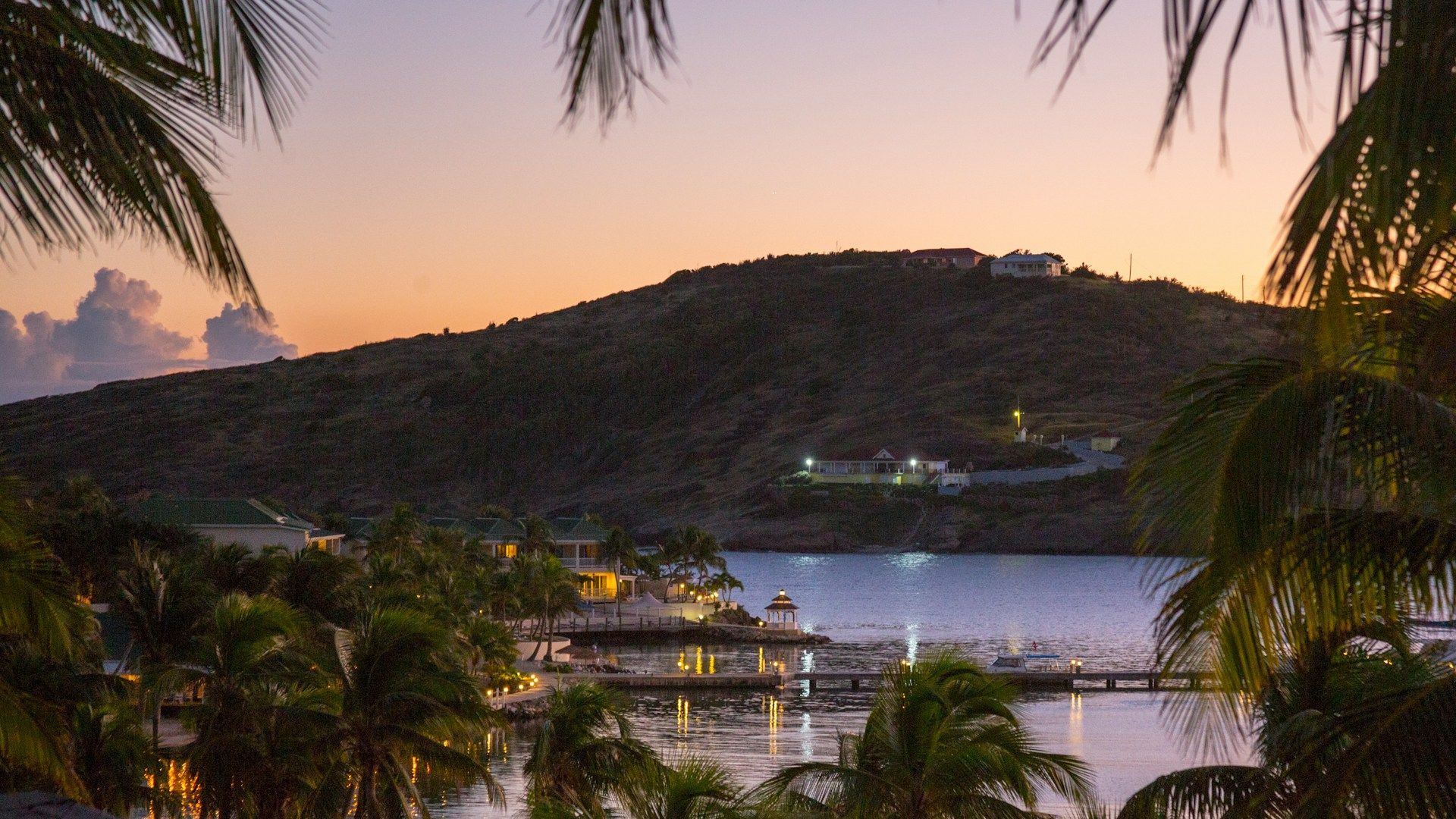
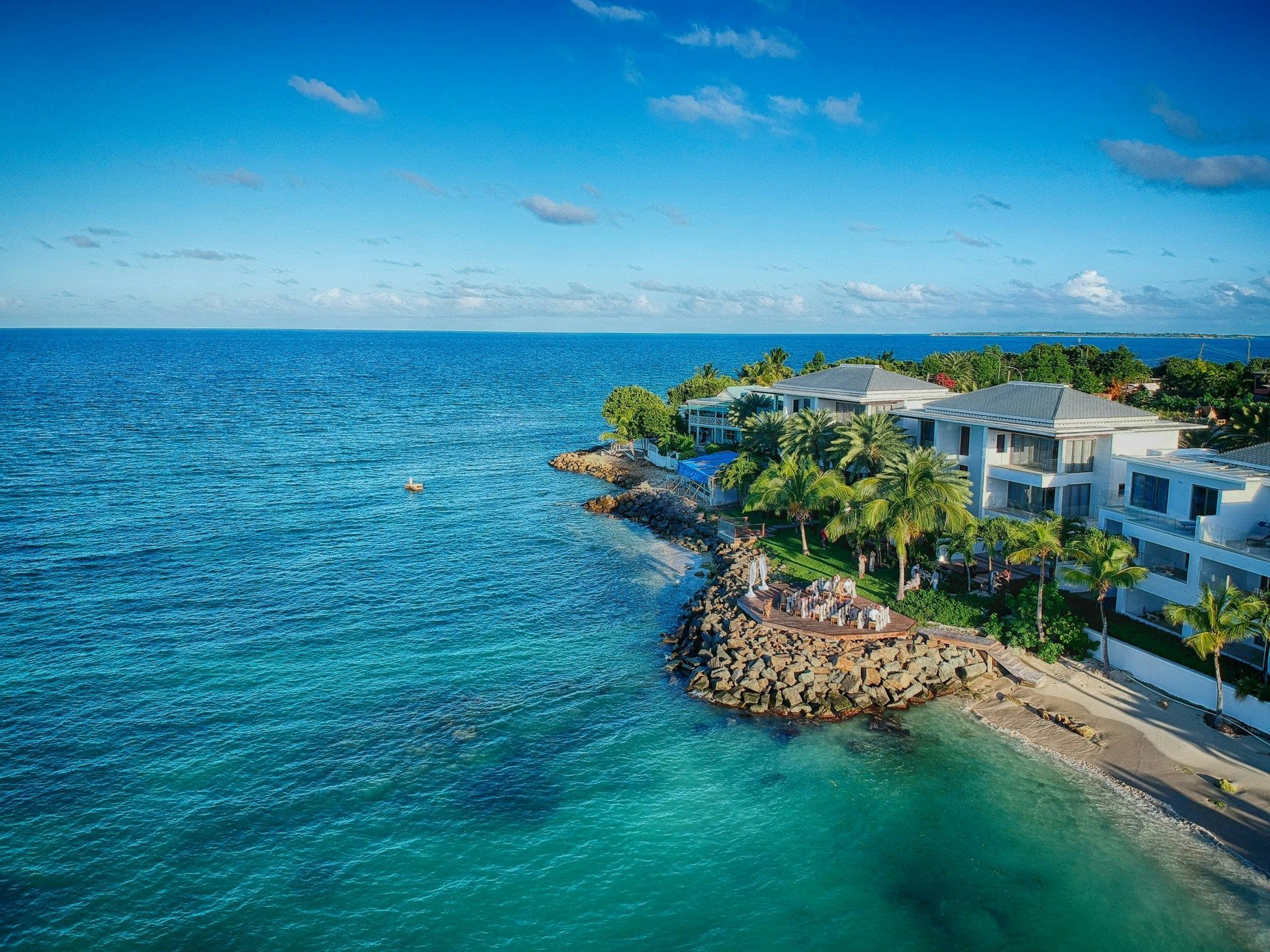
Antigua’s beaches are its most whispered-about seduction, a collection of silky crescents whose waters glow with a clarity that feels impossible until you stand ankle-deep in it. The island’s unique geological makeup — a blend of limestone and volcanic roots — gifts it with shores that feel cinematic: glittering white sands, turquoise shallows, and colors that seem designed for postcards.


But Antigua’s coastline is not a single experience; it is an anthology.

There is Dickenson Bay, where gentle waves invite timid swimmers and soft breezes cradle sun-seekers into afternoon naps. It’s a social beach — easygoing, lively, rimmed with cafes and water sports stations — the kind of place where you strike up conversations with fellow travelers and lose track of time under a shady umbrella.

Contrast that with Half Moon Bay, a wild crescent carved into the Atlantic side. Here, the wind is stronger, the surf more expressive. It is a beach for wanderers who prefer their nature a touch untamed, whose souls feel most alive where land and ocean meet with dramatic intention.


Then there is Pigeon Point, quiet and tree-lined, where families picnic, sailboats drift lazily, and the water is so gentle that it mirrors the sky like polished glass.

Some beaches feel celebratory, others contemplative — but all share the same Antiguan truth: the sea is not just blue; it is a tapestry of blues, each shade carrying sunlight differently, each revealing a new realm of calm.

Spend a week here and you begin to understand why locals say the island has “a beach for every mood.”

History Whispering Through the Hills

For an island so deeply associated with leisure, Antigua’s history is surprisingly commanding. It is carved into cliffsides and tucked into stone ruins, each site revealing the island’s centuries-long dance between colonial ambition, maritime importance, and the resilience of its people.


No place embodies this more powerfully than Nelson’s Dockyard, the crown jewel of Antigua’s story.


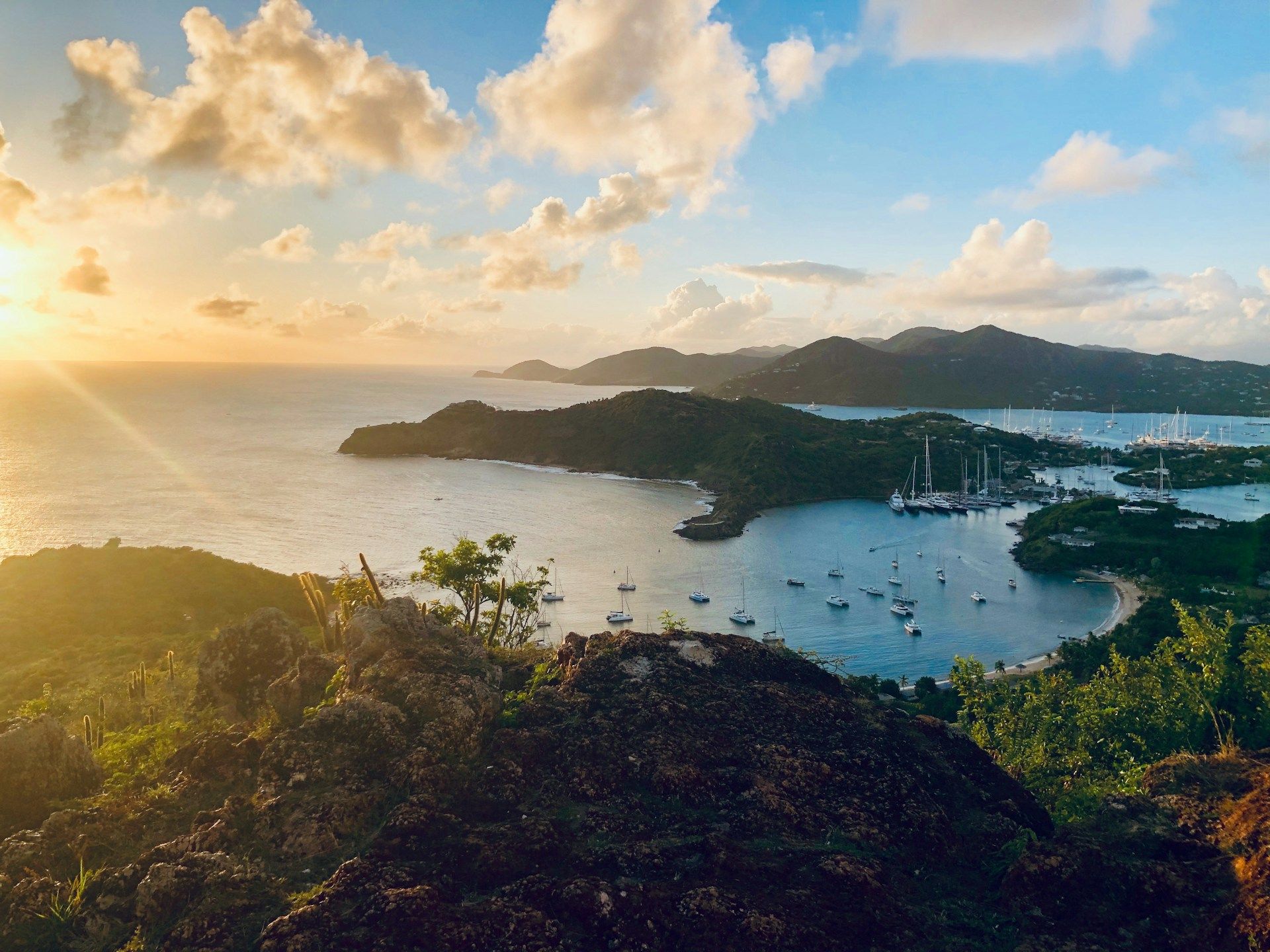
Nestled within the emerald embrace of English Harbour, this UNESCO World Heritage site is the world’s only fully restored Georgian naval dockyard — an 18th-century stronghold built when Britain’s Royal Navy sought dominion of the seas. Its cobblestone walkways, weathered brick buildings, and impeccably preserved storehouses seem frozen in amber. Yet the place is far from a relic; it hums with modern life. Restaurants occupy former officer quarters, yachts glide into slips where warships once moored, and the salty breeze carries echoes of both the past and the present.


Walk the grounds and you sense the presence of those who shaped the island — British admirals, shipbuilders, freed Africans who transformed the economy, generations of sailors who treated the harbour as both sanctuary and stage. Above the dockyard rises Shirley Heights, the island’s iconic lookout. The view from here is not merely beautiful; it is theatrical. English Harbour unfurls below like a painter’s study in blues and greens, framed by rolling hills and anchored by a sky that seems to stretch forever.


Visitors gather at Shirley Heights on Sundays for one of the Caribbean’s most beloved sunset rituals: steel pan bands, reggae rhythms, smoky barbecue, and a sky that blushes from peach to crimson to violet. It is an atmosphere both festive and spiritual — a weekly reminder that Antigua’s greatest moments still happen where community and nature converge.

Adventures Woven Into Island Life

Antigua invites rest, but it also inspires exploration. Its size — just 108 square miles — makes it ideal for daylong adventures that feel like chapters in a larger narrative.


To the north lies Devil’s Bridge, a natural limestone arch sculpted by relentless Atlantic waves. The sea here crashes with a kind of theatricality that seems almost deliberate, sending plumes of white spray flying into the air. But the site is more than striking; it is sacred. Oral histories speak of enslaved Africans who came to this windswept cliffside seeking freedom, and the ocean’s roar carries the weight of their stories. Standing on the rocks, you feel the fearless heartbeat of the island.


A different kind of awe awaits along the Fig Tree Drive, a lush, winding road through Antigua’s rainforest interior. Giant banana trees, mango groves, and wild pineapple plants line the route, their leaves trembling in the breeze like whispered invitations. Guided hikes and zip-line tours offer travelers the chance to move through the canopy, where sunlight filters through leaves in golden shards and hidden birdsong turns the forest into a living symphony.


For water lovers, Antigua’s marine world is equally enchanting. Snorkelers drift above coral gardens near Cades Reef, a protected underwater sanctuary teeming with tropical fish, sea fans, and the occasional gentle turtle gliding like a guardian spirit. Sailing enthusiasts find their bliss aboard catamarans that skim Antigua’s coastline, stopping at secluded beaches accessible only by sea — the kind of coves that feel like part of your own private world.


And then there is Barbuda — quiet, untouched, and breathtaking. A ferry or short flight transports travelers to this enchanting sister island, where long stretches of pink-sand beaches shimmer under the sun. Barbuda is also home to the Frigate Bird Sanctuary, one of the world’s largest, where thousands of glossy black males bloom scarlet-red throat pouches during mating season. It is nature at its most tender and majestic.

A Culinary Love Letter

Antigua’s cuisine is both heritage and celebration. Menus tell the story of an island shaped by African, British, and Caribbean influences, yet defined by its own palette of flavors.


Start with fungi and pepperpot, the national dish, a soulful combination of polenta-like cornmeal and a hearty stew of meats and vegetables simmered until tender. It is comfort food born from history, still beloved in modern kitchens.


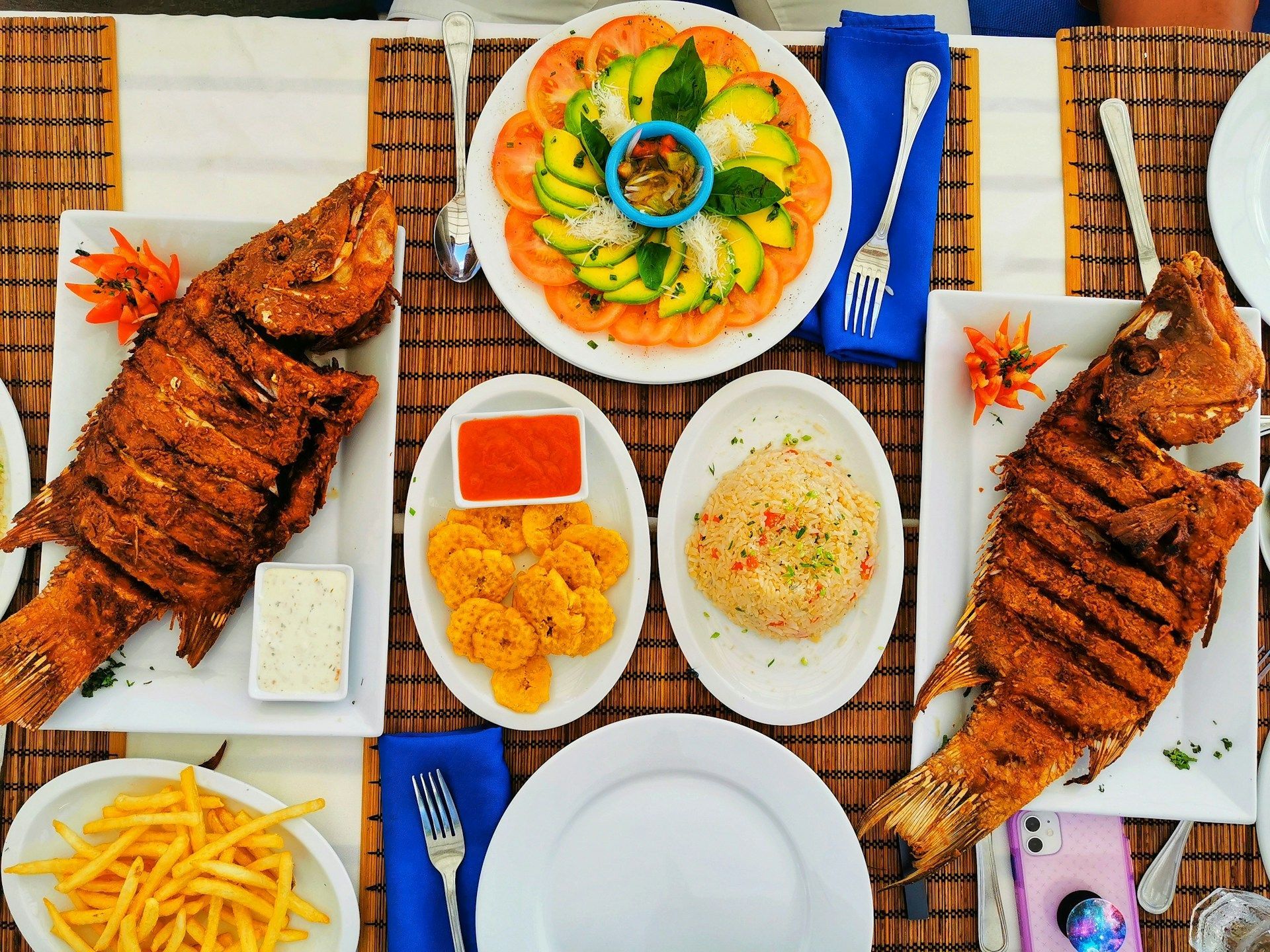
On beachside grills, lobster sizzles under garlic butter, and red snapper emerges crisp and fragrant, seasoned with local herbs. The island’s produce — mangoes, guavas, sugar apples, soursop — fills markets with fragrances that feel like warm embraces.

Rum is not merely a drink here; it is a cultural thread. Bars craft rum punches that balance sweetness and citrus, and distilleries offer tastings that reveal notes of vanilla, spice, and island sunshine.


Meals in Antigua are not rushed. They unfold slowly, like stories. Whether enjoyed at a waterfront bistro or an upscale restaurant overlooking the sea, dining becomes an act of savoring not just flavor, but the island itself.

The Spirit That Makes Antigua Unforgettable

For all its beauty, Antigua’s most profound treasure is its people. Warm. Welcoming. Proud. They speak of their island with a poetic intimacy and treat travelers as if they, too, belong here. There is a sense of openness, a shared humanity that colors every interaction.


You feel it when a vendor at a market hands you a slice of ripe mango “just to try,” when a taxi driver tells you stories about growing up near English Harbour, when a guide on a reef tour points out coral with genuine excitement, as if revealing a secret he still finds wondrous.


Antigua is more than a destination. It is a living narrative — one written by tides, traditions, and hearts that beat with joy. Travelers leave with a certainty: they will return.

Because Antigua does not merely invite you to explore it.
It invites you to feel it.

By Larissa Charleston December 1, 2025
There are cities — and then there is Amsterdam. A place where narrow canal-front houses lean gently into the mirrors of water...
By Carolyn Meredith November 28, 2025
For many, Bermuda is the iconic postcard — pink-sand beaches, turquoise seas, pastel cottages, and easy island breezes. And yes, those elements are undeniably part of its charm...
By Larissa Charleston November 26, 2025
Slow mornings, secret corners, and the everyday rituals that reveal Amsterdam’s true heartbeat.
Show More
By Larissa Charleston December 1, 2025
There are cities — and then there is Amsterdam. A place where narrow canal-front houses lean gently into the mirrors of water...
By Carolyn Meredith November 28, 2025
For many, Bermuda is the iconic postcard — pink-sand beaches, turquoise seas, pastel cottages, and easy island breezes. And yes, those elements are undeniably part of its charm...
By Larissa Charleston November 26, 2025
Slow mornings, secret corners, and the everyday rituals that reveal Amsterdam’s true heartbeat.
Show More

Share this article