The Art of Slow Motion: River Cruising Through Europe's Timeless Heart
By Chris Sherman • November 17, 2025
Why the world's most discerning travelers are trading ocean waves for gentle currents—and finding their souls in the process
The Awakening at Dawn
There's a particular quality to light on the Danube at 6:47 in the morning that cannot be adequately described, only witnessed. I learned this while standing on the upper deck of a river vessel, coffee steaming in the autumn chill, watching the Wachau Valley emerge from its nightly slumber like a watercolor painting coming slowly into focus. The vineyards climbed the hillsides in perfect, patient rows. Medieval church spires punctuated the mist. And somewhere in the distance, a bell tolled—not urgently, but with the confidence of something that has been marking time for centuries and will continue long after we've all departed.
This is what river cruising offers that its ocean-going cousins cannot: intimacy with the landscape, a front-row seat to the unfolding story of civilization itself. While mega-ships ply the open seas with their waterslides and rock-climbing walls, river vessels glide through the very veins of continents, past castles and cathedrals, vineyards and villages, connecting you not just to destinations but to the narrative thread that binds them.
If you're among the growing legion of travelers who have begun to suspect that the journey matters as much as the destination—or perhaps even more—then river cruising deserves your serious consideration. This isn't about checking boxes or collecting passport stamps. This is about letting the current carry you into a different relationship with time, place, and possibility.
Why Now? The Renaissance of River Travel
The numbers tell part of the story: river cruising has exploded in popularity over the past decade, with new vessels launching annually and itineraries expanding to waterways across six continents. But statistics don't capture the why behind this renaissance. To understand that, you need to consider what's happening in the broader culture of travel.
We're exhausted by the hurry. By the airport security theater and the cramped middle seats and the three-hour layovers in cities we never wanted to visit. We're weary of destinations overrun by Instagram crowds, of feeling like we're participating in a scavenger hunt rather than having an actual experience. And increasingly, we're seeking travel that restores rather than depletes, that offers genuine connection rather than curated moments for social media consumption.
River cruising answers these deeper longings with elegant simplicity. You unpack once. Your floating boutique hotel—rarely accommodating more than 190 guests—moves with you, arriving each morning at a new port that's often within walking distance of the town's historic center. No shuttles. No tender boats. No navigating massive cruise terminals in industrial port areas miles from anywhere interesting. You simply step off the gangway and you're there—in the heart of Bruges or Bordeaux, Cologne or Budapest, immediately immersed in the rhythm and texture of local life.
The Rivers That Changed My Life (And Might Change Yours)
The Danube: Europe's Liquid Highway
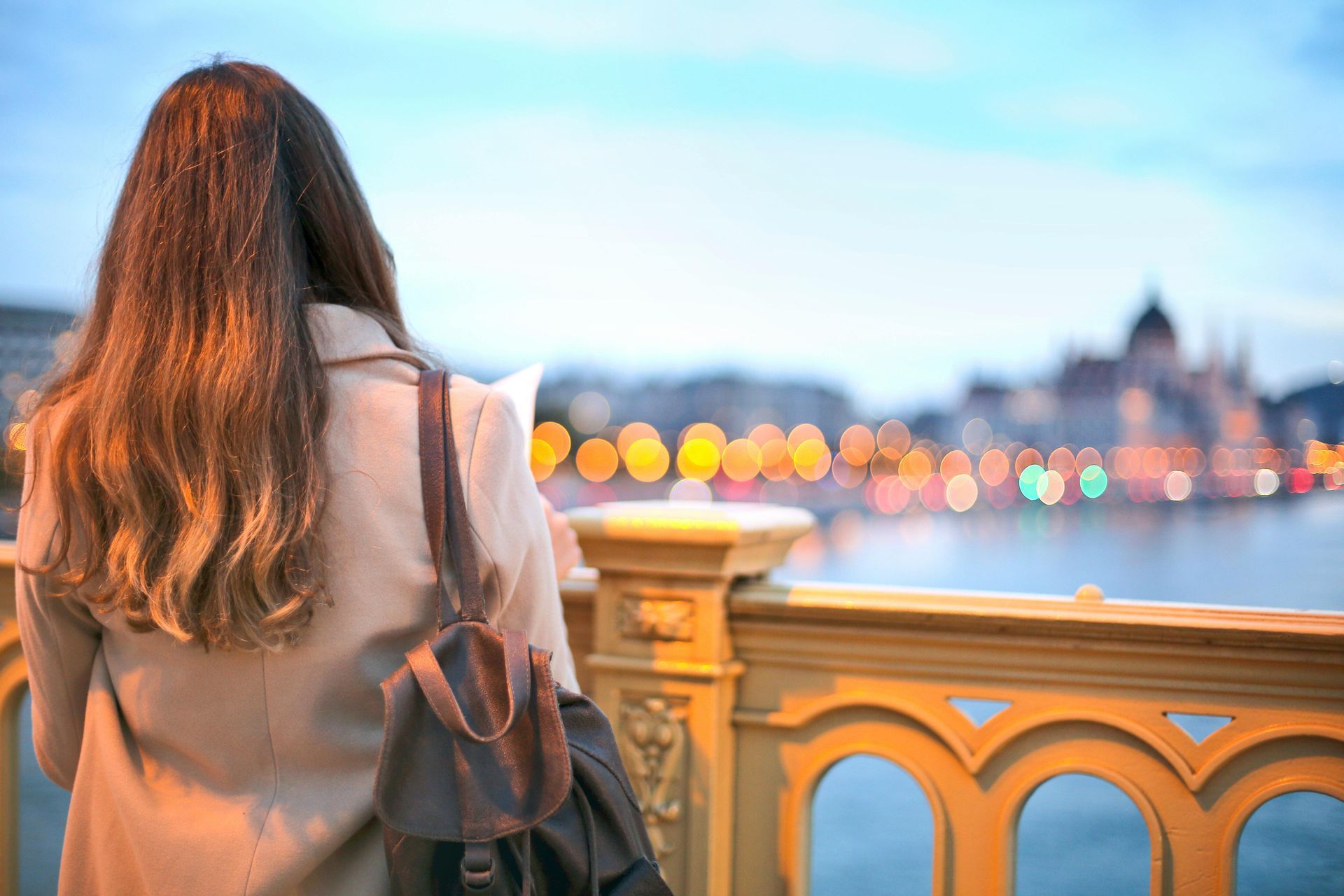
Let's begin where river cruising began for many of us: the Danube. Flowing through ten countries, this is the river that built empires and inspired waltzes. A classic Danube itinerary—Vienna to Budapest, or extending to Germany's Bavarian countryside—offers a concentrated dose of Central European magnificence. You'll wake in Vienna, where coffeehouse culture remains an art form and the Habsburgs' architectural legacy overwhelms in the best possible way. By evening, you might be in Bratislava, where the communist past and capitalist present exist in fascinating tension. Two days later, you're pulling into Budapest as the Chain Bridge and Parliament building glow golden in the late afternoon light.
But it's the moments between these headline cities that lodge deepest in memory. The family-run apricot orchard in the Wachau Valley where you taste fruit brandy made according to a recipe that predates Mozart. The lock passage where you rise or fall with the water level, a mechanical ballet that never loses its fascination. The impromptu performance by local musicians in a Melk monastery courtyard, their strings and voices echoing off stones that have witnessed eight centuries of human striving.
The Rhine: Castles, Cathedrals, and the Lorelei
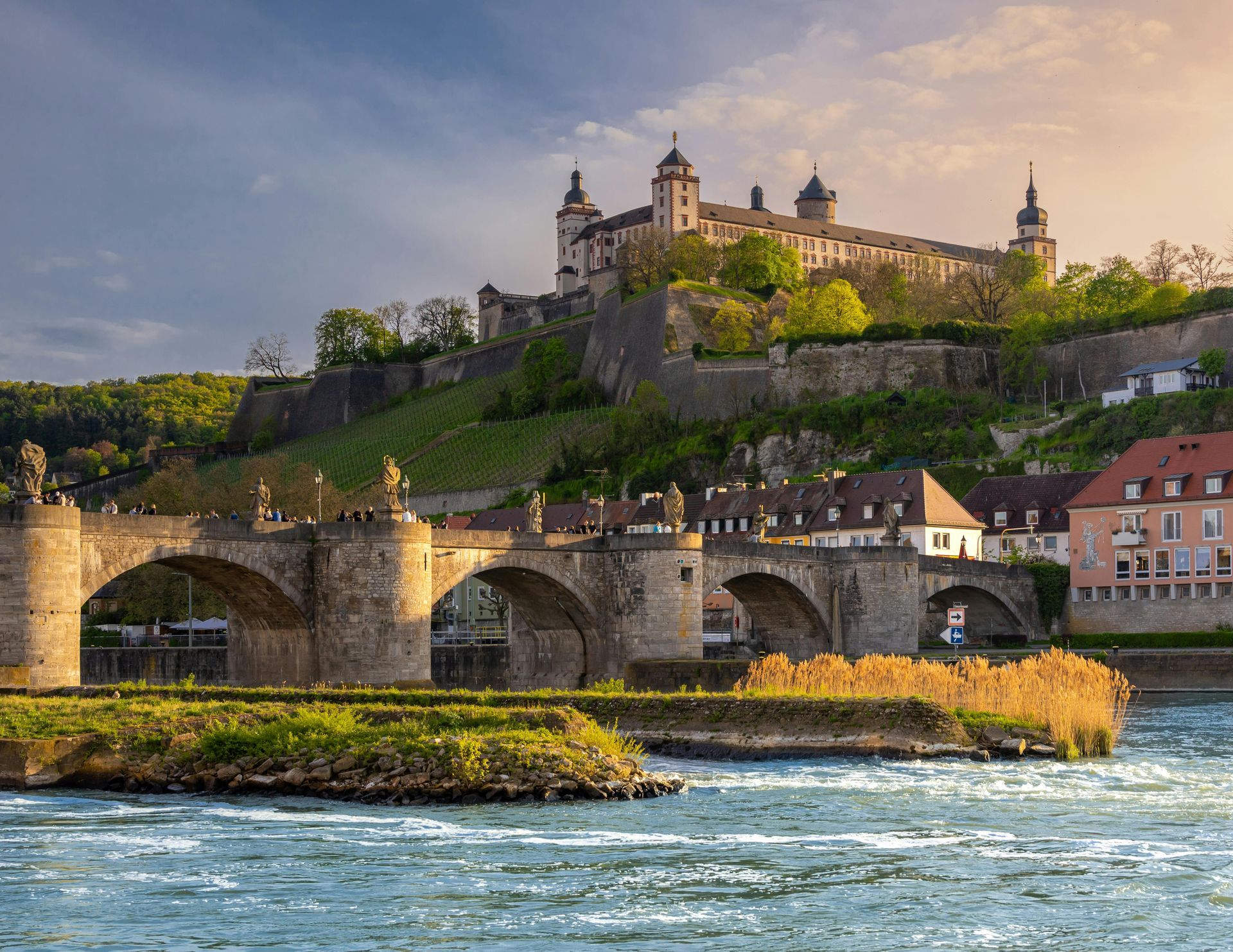
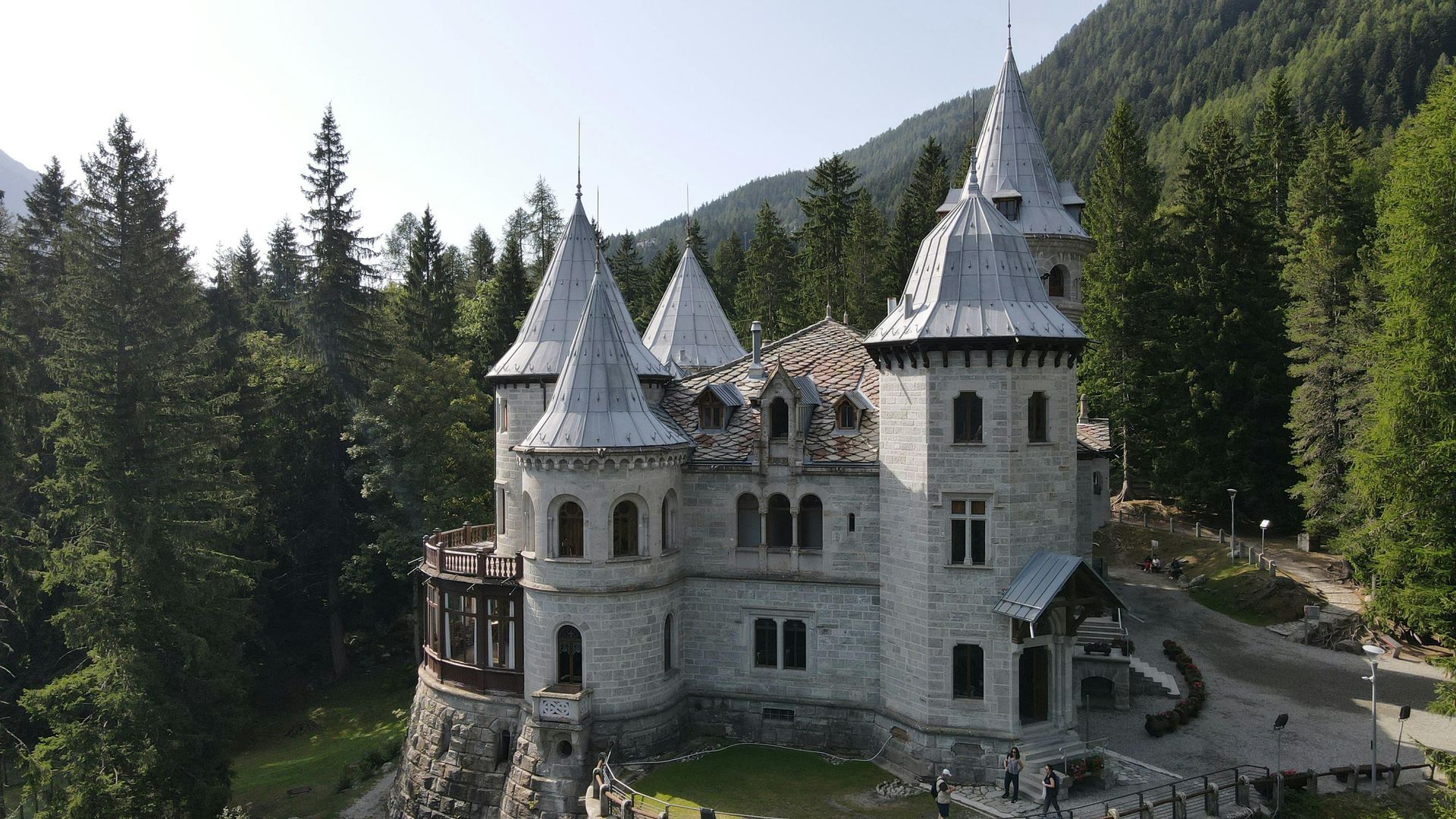
If the Danube speaks in symphonies, the Rhine tells epic tales. This is fairy tale territory—the river that inspired Wagner and the Brothers Grimm, where castle ruins crown nearly every hilltop and legend seeps from the mist. The Middle Rhine Gorge, a UNESCO World Heritage Site, presents an almost absurd concentration of medieval fortresses. You'll drift past more than 40 castles in a single 40-mile stretch, each with its own saga of knights and sieges, romance and betrayal.
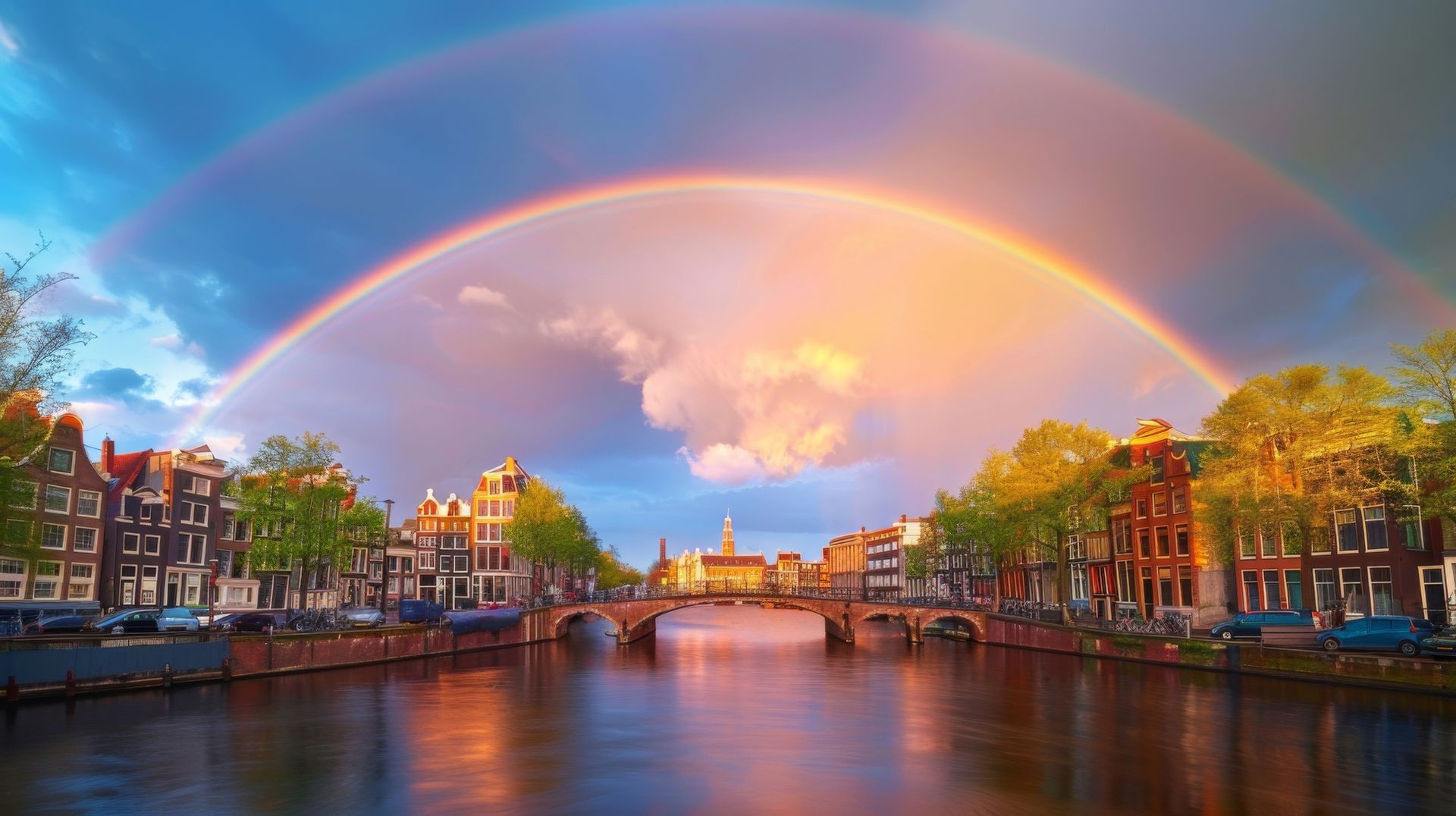
But the Rhine is also vibrantly contemporary. Cologne's cathedral soars with Gothic audacity, while the city's art scene and beer culture pulse with modern energy. Strasbourg straddles French and German identity with fascinating grace. And Amsterdam—that glorious, slightly unruly finale—offers the perfect counterpoint to all that medieval history with its progressive attitudes, world-class museums, and canal-side cafés where you can sit for hours watching a different kind of river traffic pass by.
The Rhône and Saône: Provence and Burgundy from the Water
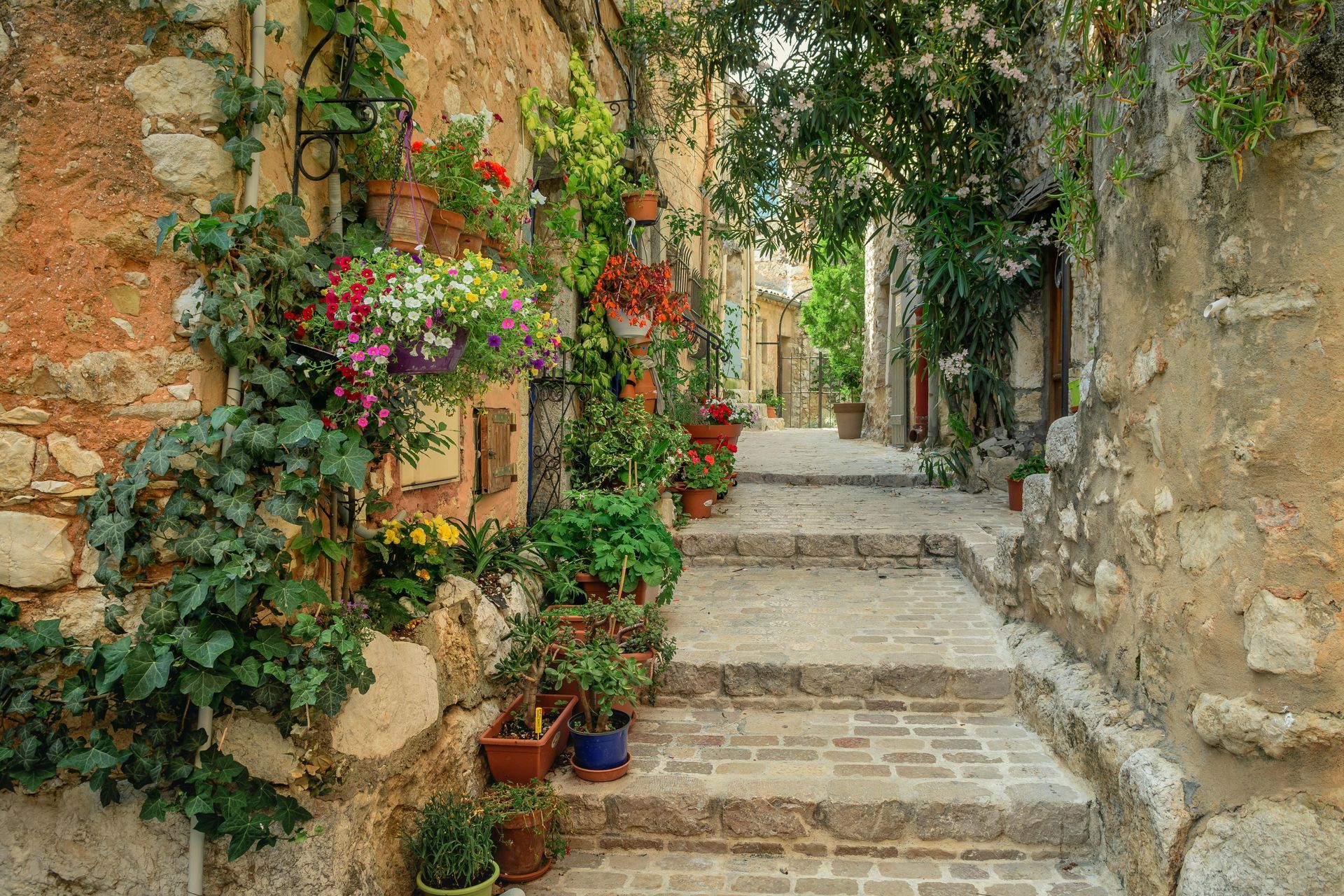
Here's where river cruising becomes overtly sensual. The rivers of southeastern France wind through landscapes so devoted to pleasure—gastronomic, aesthetic, vinous—that the entire journey feels like an extended meditation on the art of living well. You're in Burgundy, cycling through village vineyards where the soil is so revered that winemakers can identify their parcels blindfolded. You're in Lyon, third-largest city in France and arguably its gastronomic capital, where bouchons (traditional taverns) serve cuisine that makes you reconsider everything you thought you knew about French food.
Then the river carries you south into Provence, and the light shifts—becomes more golden, more forgiving. Lavender fields and olive groves. Roman ruins in Arles that look as though the centurions just stepped out for lunch. Avignon's Palais des Papes, so immense it's difficult to comprehend that nine popes lived and ruled from this riverside fortress. And everywhere, the wines—Châteauneuf-du-Pape, Côtes du Rhône, Beaujolais—each expressing the terroir in ways that suddenly make sense when you're actually floating through that terroir, seeing the sun on those specific slopes, feeling the mistral wind that sculpts the vines.
The Douro: Portugal's Secret Weapon
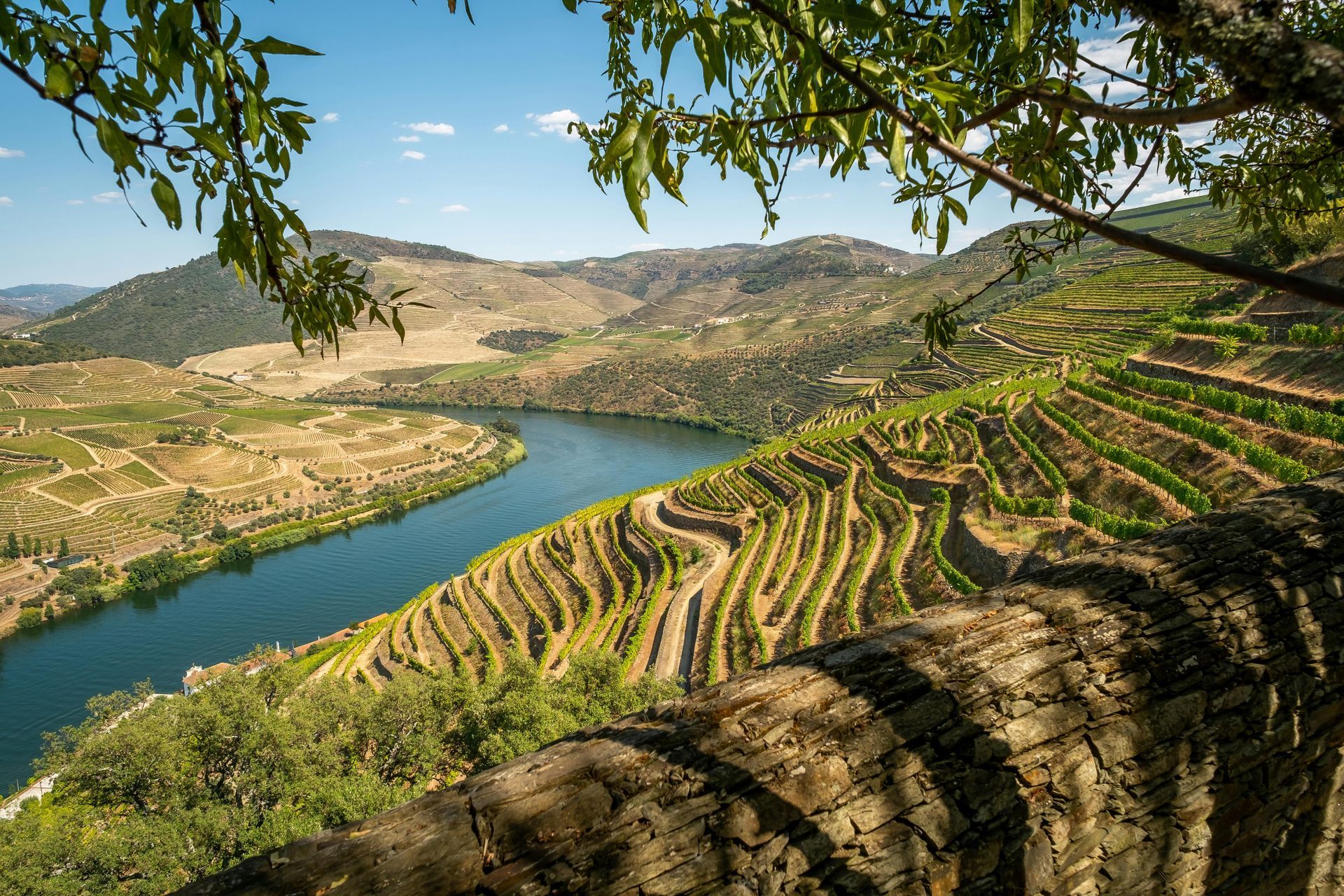
Of all the world's river cruises, the Douro remains delightfully undersung. This is Portugal's heart, cutting through the country's interior in steep valleys terraced with port wine vineyards that seem to defy both gravity and economic logic. The Douro Valley was farming wine grapes when most of California was still wilderness, and the tradition continues in ways that feel wonderfully anachronistic—harvest sometimes still done by hand, grapes still sometimes trodden by foot.
Your vessel begins or ends in Porto, where port lodges line the Gaia riverfront and centuries of British-Portuguese wine trade have created a culture all its own. From there, you wind inland through increasingly dramatic scenery. The quintas (wine estates) cling to impossible slopes. Ancient villages of stone and tile seem untouched by the 21st century. And the river itself—tamed by a series of locks—alternates between serene stretches where kayakers paddle and dramatic gorges where the vessels seem almost too large to pass.
What captivates about the Douro isn't grandeur or famous monuments. It's authenticity—the sense that this corner of Europe hasn't been Disneyfied or optimized for tourism. People still live and work here according to rhythms established generations ago. And for a week, you get to inhabit that rhythm, to measure time in vineyard visits and village markets rather than minutes and meetings.
The Intimate Architecture of River Ships
Let's talk about the vessels themselves, because river ships represent a fundamentally different approach to the cruise experience. Where ocean ships trend toward vertical enormity—stacking decks into floating skyscrapers—river ships spread horizontally, constrained by bridges and lock dimensions. Most European river vessels measure no more than 443 feet long and 38 feet wide, with just three or four passenger decks. These limitations create intimacy by design.
With 95 to 190 passengers aboard, you'll recognize faces by the second day. By mid-cruise, you know names, hometown, and who takes their coffee at 6 a.m. on the Sun Deck. The crew-to-passenger ratio hovers around 1:3, meaning service is attentive without being intrusive. Your cabin—efficiently designed in the European manner—features a French balcony or full balcony, floor-to-ceiling windows that transform the room into a moving panorama.
The public spaces encourage congregation rather than isolation. A single dining room seats everyone in one open sitting—no fixed times, no assigned tables, though you'll likely gravitate toward the same group after a few meals. The lounge serves as lecture hall, entertainment venue, and observation deck. The Sun Deck, with its putting green and perhaps a small pool, becomes the communal living room where everyone gathers during scenic passages.
This enforced intimacy is either the best or worst aspect of river cruising, depending on your temperament. If you prefer anonymity, if you like losing yourself in a crowd, river cruising may feel claustrophobic. But if you're at a life stage where connection matters more than options, where you'd rather have three meaningful conversations than three hundred channels on your cabin TV, then this intimate scale becomes the entire point.
The Practicalities (Or Why This Works for Real Life)
Here's the truth that guidebooks often skip: river cruising is astonishingly easy. This matters more than you might think, especially if you're juggling career, family obligations, and the accumulated complexity of adult life. You're not coordinating hotels in six cities, managing train schedules, hauling luggage up medieval staircases. You're not researching restaurants or figuring out metro systems or wondering if you've booked the right guide for tomorrow's excursion.
Everything is handled. Excursions are included (on most premium lines). Meals are included. Wine and beer with lunch and dinner are often included. Bicycles are available for those who want to explore independently. The vessel docks overnight in major cities, allowing you to enjoy dinner ashore or an evening concert without worrying about missing the ship's departure.
This comprehensive inclusion accomplishes something psychologically important: it removes the friction from travel. You're not constantly calculating costs or making micro-decisions about whether to splurge on this or economize on that. You're freed to simply be present, to notice the way light hits stone at a certain hour, to strike up a conversation with a fellow passenger, to say yes when the wine expert suggests you try something new.
The Moments That Matter
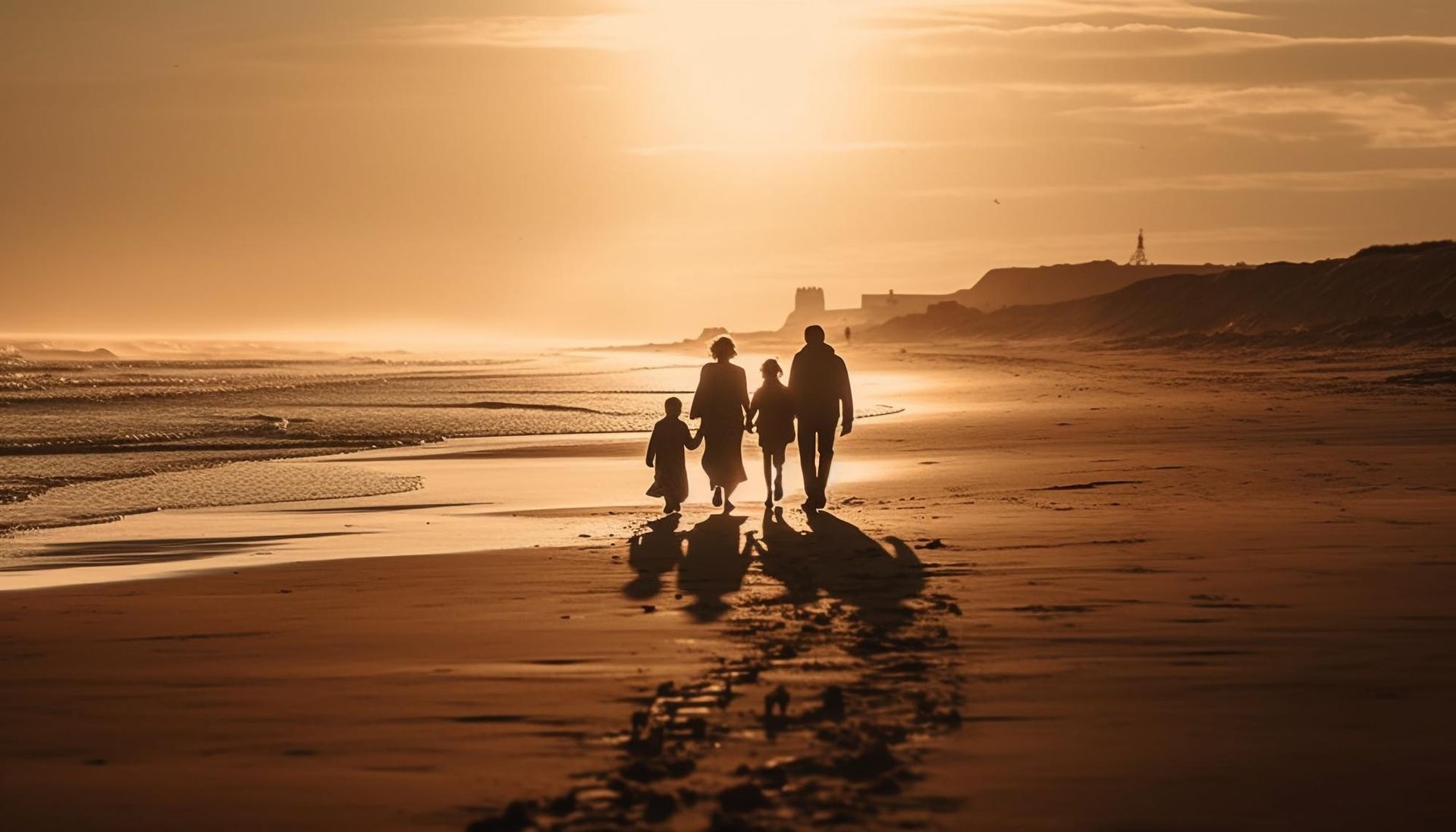
After dozens of river cruises—covering thousands of miles on European waterways—what stays with me isn't the famous monuments, though those certainly impress. It's the smaller moments, the unexpected graces:
- Sitting on the Sun Deck with new friends as we passed through the Rhine Gorge, watching the castle-crowned hills parade past while someone's iPhone played the Lorelei song at low volume, all of us slightly giddy with beauty and Riesling
- A walk through Passau at twilight, utterly lost but completely unconcerned, because the ship wasn't leaving until morning and getting lost in a Baroque German town is basically a gift
- The afternoon our vessel squeezed through a lock alongside a working barge, close enough to wave at the bargeman's wife hanging laundry on their deck, a reminder that these rivers are still working waterways, not theme parks
- Sunrise yoga on the top deck somewhere in Burgundy, the instructor a passenger who offered to lead a session, half a dozen of us in various states of flexibility doing sun salutations while actual sun rose over French vineyards
- The 80-something couple who renewed their vows in a tiny chapel in the Wachau Valley, inviting all of us fellow passengers to witness their celebration of 60 years together, reminding everyone aboard that romance is not the exclusive province of youth
These are the dividends of slow motion, of traveling at the speed of current rather than the speed of jet fuel. You have time to notice. Time to reflect. Time to allow places to work on you at a cellular level rather than simply photographing them for later.
For Whom Does the River Flow?
River cruising attracts a particular type of traveler—generally older, often accomplished, usually curious. The median age skews 60s and 70s, though you'll find everyone from honeymooning 30-somethings to spry 80-somethings still checking countries off their list. What unites this demographic isn't age so much as a shared value system: quality over quantity, depth over breadth, connection over collection.
These are people who've done the tourist track and are ready for something more nuanced. They've taken the beach vacations, done the all-inclusive resorts, maybe even cruised the Caribbean. Now they're seeking travel with more substance, more learning, more genuine engagement with place and culture. They're readers. They're likely to attend the historian's lecture about Napoleon's influence on German confederation. They'll ask the wine expert detailed questions about soil composition. They want their travel to mean something.
If this sounds like you—or the person you're becoming—then river cruising deserves a place on your horizon. It's not about arriving. It's about the unfolding, the daily revelation, the slow accumulation of impressions that somehow adds up to something transformative.
The Invitation
The rivers of Europe have been carrying travelers for millennia—Celts and Romans, merchants and pilgrims, armies and artists. They've witnessed empires rise and fall, borders drawn and redrawn, languages evolve and merge. And now, in this peculiar moment of human history when we're all moving so fast that we're practically vibrating, these ancient waterways offer a radical proposition:
What if you slowed down? What if you let the current set the pace? What if instead of conquering a destination, you allowed a region to reveal itself gradually, day by day, river mile by river mile?
That's the invitation of river cruising. Not to see everything, but to truly see something. Not to tick boxes, but to fill your lungs with different air, your eyes with different light, your mind with different perspectives. To return home not just with photos but with stories, not just having visited but having been genuinely present.
The rivers are flowing. They've been flowing since long before any of us arrived and will continue long after we've gone. The question is simple: will you join them for a while? Will you step aboard and see where the current leads?
I suspect you already know the answer. Now comes the delicious part: choosing which river calls to you first.
Ready to explore Europe's legendary waterways? Discover Allure's curated river cruise collection and let us help you craft your own slow-motion masterpiece through the heart of the continent.
Insights to fuel your marketing business
Sign up to get industry insights, trends, and more in your inbox.
Contact Us
We will get back to you as soon as possible.
Please try again later.
SHARE THIS
Latest Posts