City of Good Neighbors, City of Bold Dreams: Buffalo's Renaissance Moment
Where Architecture Meets Waterfront, History Embraces Future, and America's Greatest Comeback Story Unfolds
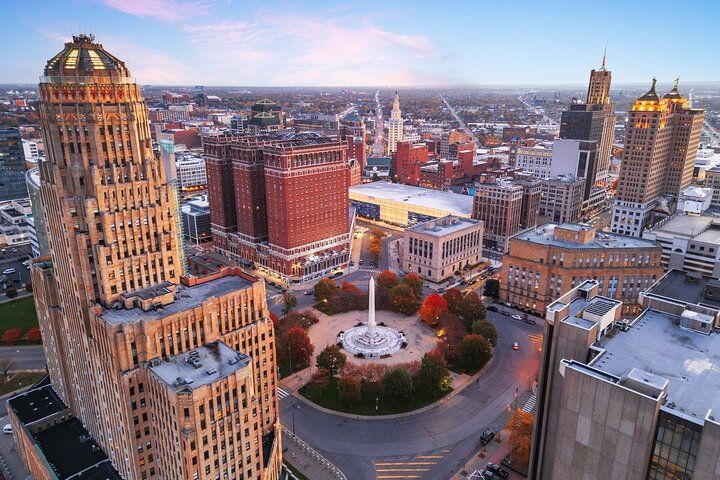
There are cities that peaked and faded. Cities that once mattered but now exist as footnotes, museum pieces, cautionary tales about what happens when industries die and populations flee. Buffalo, New York, was supposed to be one of those cities.
Supposed to be.
But something extraordinary is happening along the shores of Lake Erie, something that can't be explained by economic data or tourism statistics alone. Buffalo is experiencing what Hemingway might have called "grace under pressure"—a transformation so authentic, so rooted in community resilience and architectural heritage, that it's attracting attention from travelers who thought they'd seen it all.
In 2026, with Ralph Wilson Park's first phase opening, the new Highmark Stadium rising for the 2026 NFL season, the Lipsey Architecture Center debuting in fall, and the Canalside waterfront district reaching critical mass, Buffalo isn't just having a moment. It's reclaiming its birthright as one of America's great cities.
And if you haven't been paying attention—if you still think of Buffalo as that cold, depressed Rust Belt relic—you're about to be pleasantly, profoundly surprised.
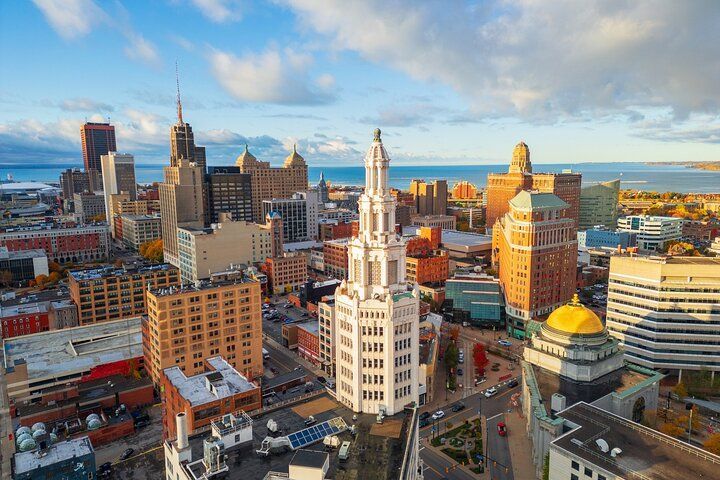
The Architecture: America's Best-Kept Secret
Let's start with what makes Buffalo genuinely extraordinary: its architectural legacy. This isn't just "nice old buildings." This is a concentration of work by architecture's Mount Rushmore—Frank Lloyd Wright, Louis Sullivan, Henry Hobson Richardson, Frederick Law Olmsted—that rivals anywhere in the United States.
Frank Lloyd Wright designed more buildings in Buffalo than anywhere except Oak Park, Illinois. His Darwin Martin House Complex is considered one of his finest Prairie School masterpieces—six structures that demonstrate his revolutionary approach to domestic architecture. The house "lives" in a way that mere structures don't. Rooms flow into each other. Light becomes both material and meaning. Indoor and outdoor spaces blur until you're not sure where the house ends and nature begins.
But Wright isn't alone. Richardson's Buffalo State Hospital (now the Richardson Olmsted Campus) stands as a National Historic Landmark—a massive H-plan asylum built in the 1870s that represented Revolutionary compassion in mental health treatment. The building's restoration continues, and in fall 2026, the Lipsey Architecture Center will open in an original Richardson-designed kitchen building, offering state-of-the-art exhibits spotlighting the visionary architects who shaped Buffalo.
Louis Sullivan left his mark too. The Guaranty Building, a terra-cotta skyscraper from 1896, is considered one of the finest early skyscrapers in America. Stand before it and you're witnessing the birth of modern commercial architecture—the moment when buildings stopped imitating European palaces and started expressing their structural truth.
Frederick Law Olmsted, America's greatest landscape architect, designed Buffalo's park system—a network of parks and parkways that remains one of the country's finest examples of 19th-century urban planning. Delaware Park, where the Buffalo AKG Art Museum now stands, embodies Olmsted's belief that cities need breathing spaces where humans can reconnect with nature.
What's happening now is Buffalo recognizing what it's had all along and making it accessible. The Frank Lloyd Wright Trail connects six Wright sites across the Buffalo-Niagara region. A new $4 million visitor center at Graycliff (Wright's summer estate south of Buffalo) opens in summer 2026, completing more than 25 years of restoration. This isn't preservation for preservation's sake—it's sharing architectural genius with a world hungry for beauty that means something.
The Waterfront: Reclaiming the Edge
For decades, Buffalo turned its back on its waterfront. Highway construction in the mid-20th century severed downtown from the water's edge. Industrial decline left behind rusting infrastructure and contaminated soil. The Inner Harbor, once the beating heart of Great Lakes commerce, became an afterthought.
Not anymore.
Canalside—the historic site where the Erie Canal once terminated—has been transformed into a year-round destination that draws over 1.5 million visitors annually. In summer, it's concerts and boat tours and kayaking. In winter, it features an ice rink larger than Rockefeller Center's, where families glide beneath twinkling lights while the city skyline glows behind them.
The $160 million North Aud Block development breaks ground in spring 2026, bringing 367 residential units (50% affordable housing), retail spaces, restaurants, and recreated historic streets to the former Buffalo Memorial Auditorium site. This isn't gentrification that displaces—it's development that welcomes, ensuring that waterfront living remains accessible across income levels.
The Chandlery, which opened in late 2025, serves as both gateway and symbol. This 14,000-square-foot building, designed to evoke 19th-century Erie Canal structures, houses the Visit Buffalo visitor center, public restrooms, ADA-accessible routes, and ECHDC offices. But more than that, it represents Buffalo's approach: honor the past while building the future.
Further out on the Outer Harbor, Wilkeson Pointe just completed an $11 million transformation. New trails wind through rain gardens. Volleyball courts invite competition. A "park golf" course (imagine golf meets mini-golf and croquet) offers lighthearted fun. A waterfront restaurant and beer garden provide spaces to linger as Lake Erie sparkles before you.
And then there's Ralph Wilson Park—100 acres along one mile of Lake Erie shoreline, funded by a transformative gift from the late Buffalo Bills owner's foundation. The first phase opens in 2026 with a world-class playground, a 30-foot sledding hill, new wetland ecosystems for fish and wildlife, and public spaces designed for play, recreation, and relaxation. This is one of the largest urban parks currently under construction in the United States, and it will fundamentally change how Buffalo—and its visitors—experience the waterfront.
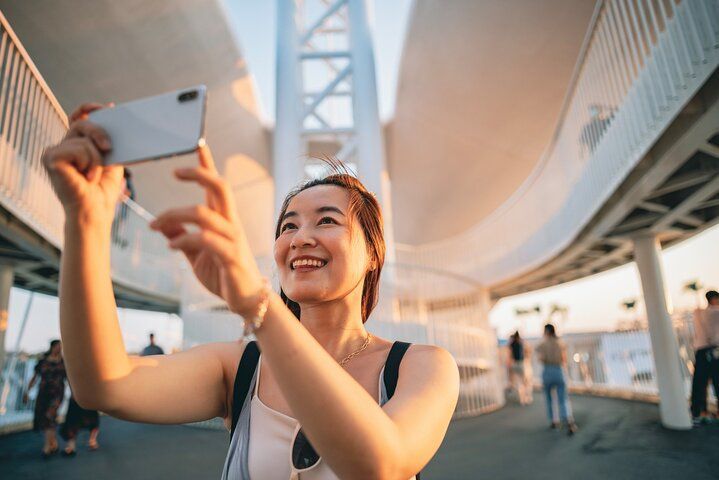
A striking new pedestrian bridge now leaps over the highway and train tracks, reconnecting the Lower West Side neighborhood with the lake. This is the kind of infrastructure that heals historical wounds, that says "we made mistakes, and now we're fixing them."
The Culture: Art, Music, History, Soul
The Buffalo AKG Art Museum reopened in 2023 after a $230 million expansion—the most significant development project in the museum's 160-year history. The new Gundlach Building, connected to the original 1905 Neoclassical structure by an ethereal glass-and-steel "Common Sky" canopy, added more than 50,000 square feet of gallery and public space.
The collection itself is staggering—one of the world's finest holdings of modern and contemporary art. Rothko, Pollock, de Kooning, Warhol, Basquiat—they're all here. But what makes AKG special is how it connects art to community, offering free admission for local residents and programs that bring art education to schools throughout Western New York.
The Colored Musicians Club & Jazz Museum, one of the oldest Black-owned clubs in the United States, celebrates its 90th anniversary in 2025 after a $2.95 million renovation and expansion. New interactive exhibits tell the story of Buffalo's rich African American musical heritage—a legacy that includes jazz legends who played here during the Great Migration and beyond. This isn't history under glass. This is living culture, with live performances continuing the tradition.
Silo City, 27 acres of grain elevators along the Buffalo River, is being transformed into an arts campus with apartments, offices, galleries, and performance spaces. Duende, a tavern and restaurant housed within the silos, has become one of Buffalo's best venues for live music. The juxtaposition—industrial cathedral meets intimate performance space—captures Buffalo's essence: gritty authenticity meeting creative possibility.
The Food: Beyond Wings (But Yes, the Wings Too)
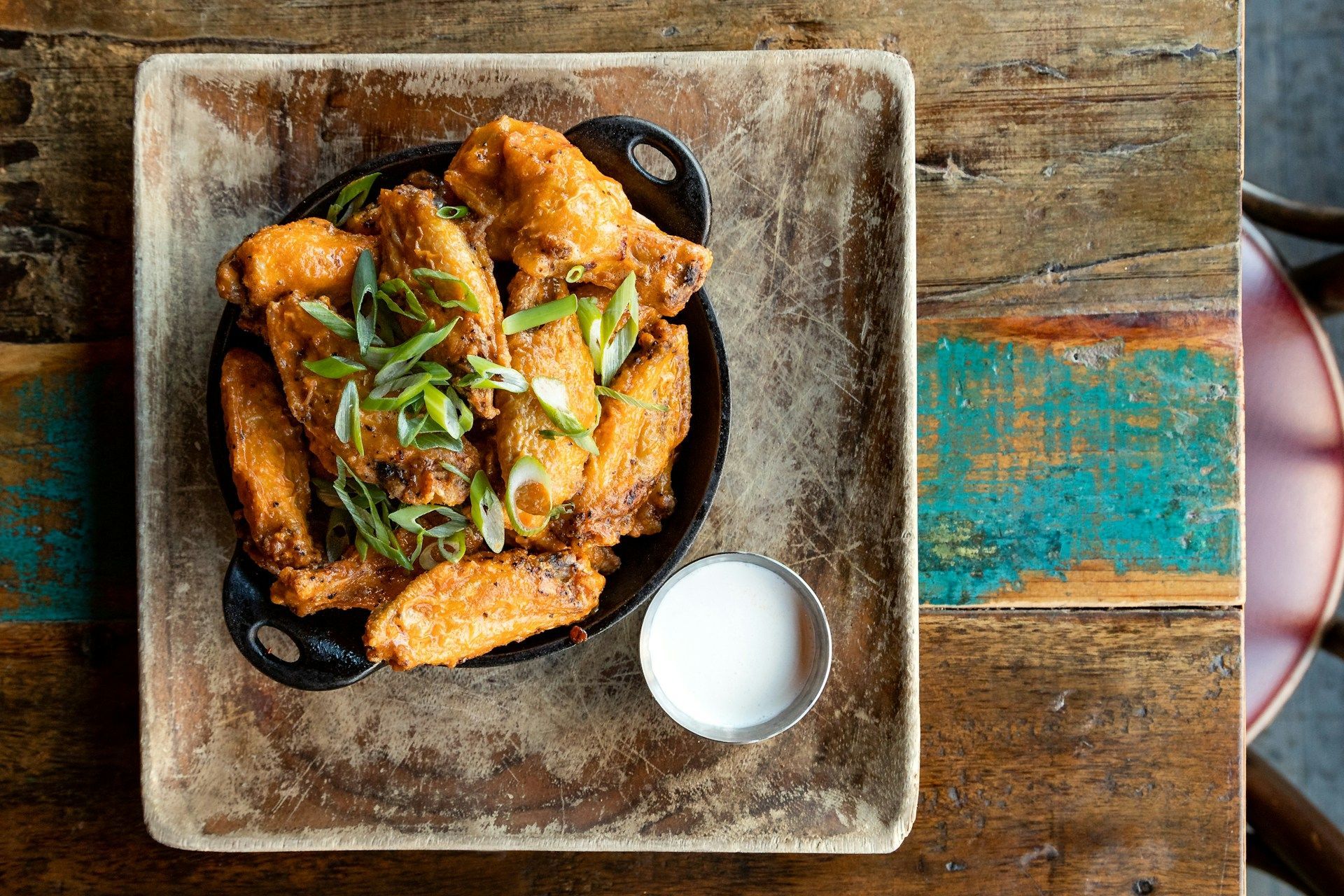
Buffalo wings were invented here at Anchor Bar in 1964, and yes, you absolutely must try them. But Buffalo's culinary scene has exploded far beyond that single (admittedly glorious) contribution to American cuisine.
The West Side, Buffalo's most diverse neighborhood, offers a culinary tour around the world—Burmese, Somali, Ethiopian, Vietnamese, Mexican, Italian. You can eat incredibly well for incredibly little money if you know where to go.
The Elmwood Village has evolved into a foodie haven with farm-to-table restaurants, craft cocktail bars, and coffee shops where locals linger for hours. The Allen Street corridor pulses with energy—late-night pizza, quirky diners, international flavors, and enough creativity to keep things interesting.
The revival extends to the brewing scene. Resurgence Brewing Company, Community Beer Works, Big Ditch Brewing—Buffalo's craft brewery explosion rivals cities triple its size. These aren't just places to drink. They're community gathering spots where regulars know your name and tourists quickly become regulars.
And the farmers markets—summer Saturday mornings at the Elmwood-Bidwell Market feel like a festival where everyone's invited. Local produce, artisan cheeses, fresh-baked bread, and that ineffable sense of community that makes you wonder why you don't live here.
For Families: Adventures on Every Corner
Buffalo knows how to entertain families without breaking the bank. The Explore & More Children's Museum at Canalside offers 40,000 square feet of hands-on exhibits. Kids can pilot a ship, climb through giant models of the human body, experiment with water and engineering, and burn off enough energy that they'll actually sleep that night.
Buffalo Harbor State Park (completing $47.5 million in upgrades by Memorial Day 2026) includes a new spray ground where children cool off on hot summer days, an expanded playground with inclusive equipment, and a large Buffalo sculpture/fountain that's already an Instagram favorite. The park's 1,100-slip marina, restaurant, boat launches, and beaches offer full days of waterfront family fun.
Tifft Nature Preserve, 264 acres of marshland, meadows, and trails within Buffalo city limits, provides nature experiences without leaving town. Spot great blue herons, turtles, and countless birds while walking elevated boardwalks over cattail marshes. The visitor center offers educational programs that teach kids about wetland ecology in ways that feel like play, not school.
In winter, families flock to Canalside's ice rink for skating under the stars. The Explore & More museum remains open, and nearby you'll find the Naval & Military Park—the largest inland naval park in America, featuring a WWII destroyer, submarine, and guided missile cruiser you can board and explore.
For Couples: Romance, Reimagined
Buffalo might not scream "romantic getaway" at first thought, but that's exactly why it works. There's no pressure to perform romance according to someone else's script. Instead, you discover it together in unexpected moments.
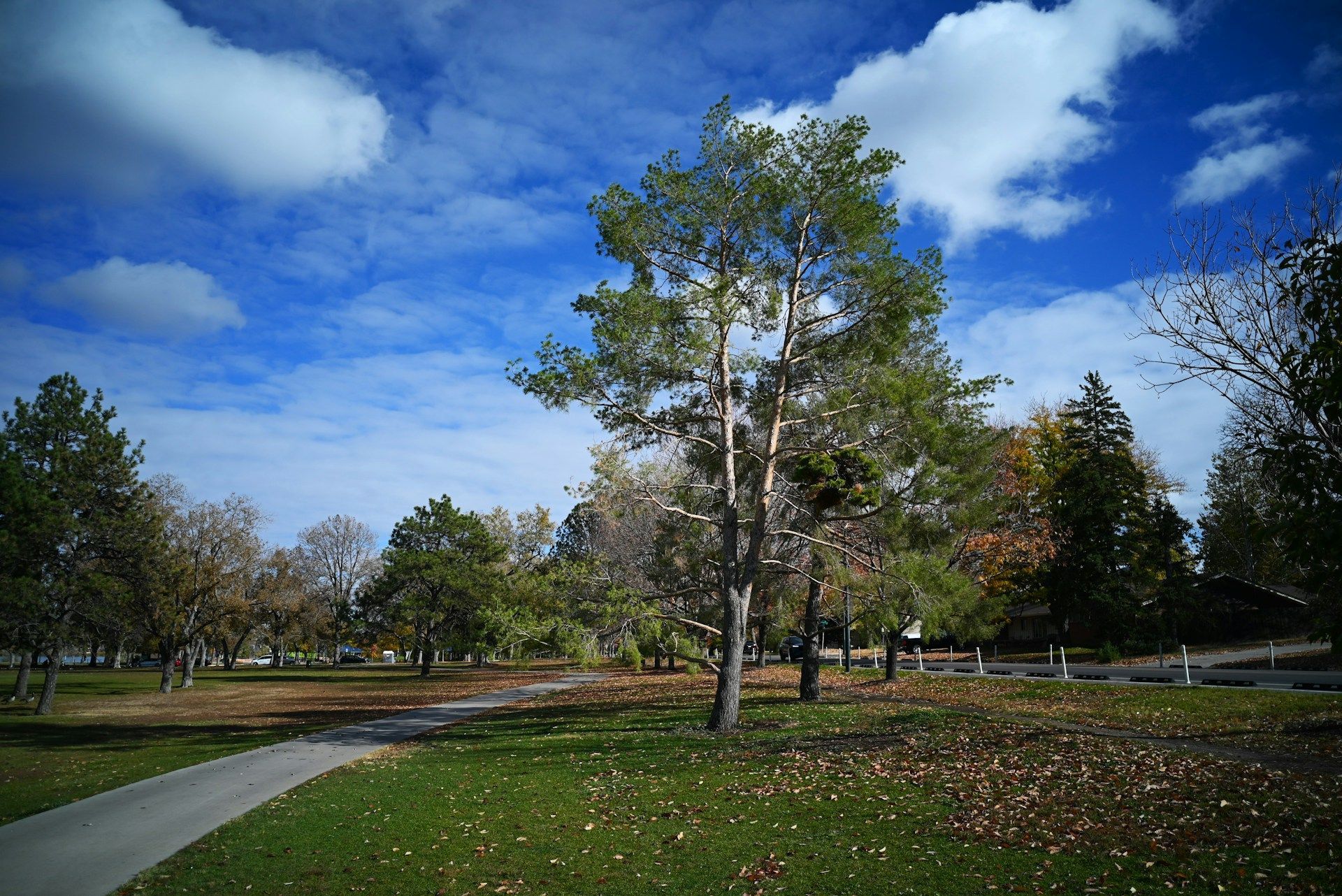
Walk the Olmsted-designed parkways on an autumn afternoon when leaves crunch underfoot and the air carries that particular crispness that announces winter's approach. Browse Pearl Street Grill & Brewery, housed in a former Victorian-era engine room, where Edison's original filament bulbs still illuminate brick walls and copper kettles. Share a bottle of wine at the Hotel Henry, a boutique hotel inside the Richardson Olmsted Campus where history literally surrounds you.
Book a sunset cruise from Canalside through Buffalo's harbor and out onto Lake Erie. Watch the city skyline glow as day fades to twilight. Feel the deck sway gently beneath your feet while your hand finds your partner's, and for a moment, nothing exists except this water, this light, this person beside you.
The theater scene surprises visitors. Shea's Performing Arts Center, a 1926 movie palace with gilded ceilings and crystal chandeliers, hosts Broadway tours in a setting more beautiful than many Broadway theaters. Catching a show here isn't just entertainment—it's time travel, a glimpse into an era when theaters were built like palaces because entertainment mattered.
And then there are the restaurants—intimate spaces like Oliver's, where Chef-Owner Charlie Gawron creates modern American cuisine using local ingredients, or Marble + Rye, a stylish steakhouse in the heart of downtown. These aren't chain restaurants with corporate-mandated menus. These are chef-driven establishments where meals become memories.
The Bills: More Than Football
Buffalo lives and breathes the Buffalo Bills in a way that transcends sports. The new Highmark Stadium, a $2.1 billion project opening for the 2026 season, features a partially enclosed design with a wind-managing canopy and the largest heated roof of its kind. This matters in Buffalo, where November and December games can feel like Arctic expeditions.
But attending a Bills game isn't just about football. It's about tailgating culture raised to art form—grills smoking in snowstorms, strangers becoming friends over shared wings and cold beer, fans so loyal they've earned legendary status. The Bills Mafia doesn't just support their team. They define civic identity, rally around causes, and prove that sports fandom can be both passionate and generous.
Even if you're not a football fan, the energy surrounding game days is worth experiencing. Downtown bars fill hours before kickoff. The city pulses with excitement. And win or lose (though they're winning more these days), the post-game atmosphere remains celebratory because being a Bills fan isn't about always winning—it's about never quitting.
The Practical Details: Planning Your Buffalo Adventure
Getting There: Buffalo Niagara International Airport (BUF) offers solid coverage across the U.S., including low-cost carriers. Direct flights from major cities make Buffalo surprisingly accessible. Driving from Toronto takes 90 minutes. From Cleveland, about 3 hours. From New York City or Boston, about 6–7 hours—doable as a road trip weekend if you're feeling adventurous.
When to Visit: Buffalo shines in all seasons, each offering different pleasures. Summer (June–August) brings waterfront festivals, outdoor concerts, and warm days perfect for exploring parks. Fall (September–November) offers stunning foliage, harvest festivals, and football season. Winter (December–March) transforms the city into a snowy wonderland—embrace it with skating, sledding, and cozy restaurant dinners. Spring (April–May) brings cherry blossoms, warming temperatures, and the sense of awakening that happens in all cold-climate cities.
Where to Stay: The Hotel Henry Urban Resort Conference Center, inside the Richardson Olmsted Campus, offers boutique luxury in a National Historic Landmark. Rooms occupy former administration buildings, combining exposed brick and modern amenities. The Westin Buffalo downtown provides downtown convenience with waterfront views. For budget-friendly options, Aloft Buffalo downtown and Hampton Inn Buffalo downtown both deliver quality at reasonable prices. Airbnb options abound in neighborhoods like Elmwood Village and Allentown, letting you live like a local.
What to Pack: Layer-appropriate clothing regardless of season—Buffalo weather can shift quickly. Comfortable walking shoes are essential; you'll cover miles exploring architecture and waterfront. In winter, bring serious cold-weather gear (Buffalo doesn't mess around with snow). In summer, sunscreen and sunglasses for those bright lake days. And leave room in your suitcase—you'll want to bring home local treasures from shops, galleries, and farmers markets.
Budget: Buffalo remains refreshingly affordable. Hotels range from $80–200/night, with luxury options under $300. Meals at local restaurants run $12–25 for excellent dinner entrees; you can eat very well without breaking the bank. Many attractions—walking tours, parks, beaches—are free. Paid experiences like the Darwin Martin House tour ($20) or museum admissions ($15–20) remain reasonable. A long weekend for two, staying downtown and eating well, can easily come in under $1,000 including lodging.
Finding Good Where Others Overlook It
Emerson wrote that "the creation of a thousand forests is in one acorn." Buffalo is that acorn—a city containing within itself the seeds of American greatness, patiently waiting for the right conditions to grow again.
What's happening here isn't manufactured or artificial. This isn't a city trying to become something it's not. Buffalo is becoming more fully itself—reclaiming its architectural heritage, reconnecting with its waterfront, celebrating its diverse communities, and welcoming visitors with genuine warmth.
The nickname "City of Good Neighbors" isn't marketing spin. Buffalo earned that reputation through decades of residents looking out for each other, supporting each other, sticking around when it would have been easier to leave. That spirit persists in how strangers give directions, in how servers ask where you're from and offer local recommendations, in how Bills fans embrace visiting team fans (well, mostly) with good-natured ribbing rather than hostility.
This is a city where resilience has matured into wisdom. Where architectural treasures are finally getting their due. Where a traumatized waterfront is becoming a celebration. Where craft beer flows, where wings are still the perfect food, where winter is embraced rather than merely endured.
Buffalo isn't trying to compete with New York or Boston or Chicago. It's being Buffalo—and that's exactly what makes it worth visiting.
Come see America's greatest comeback story while it's still unfolding. Come before Buffalo gets so popular that the secret's out entirely. Come experience architecture that shaped American design. Come taste wings where they were invented. Come skate on the Inner Harbor. Come walk Olmsted parks. Come meet the good neighbors.
Come discover that some cities don't just survive—they transform, they thrive, they remember what they were and become something even better.
Buffalo is calling. The waterfront is waiting. Your own comeback story might just begin here.