
NASA - Orionid Meteor Shower 2025 Visible Across US, Peak Soon

Jariah Modin • November 10, 2025

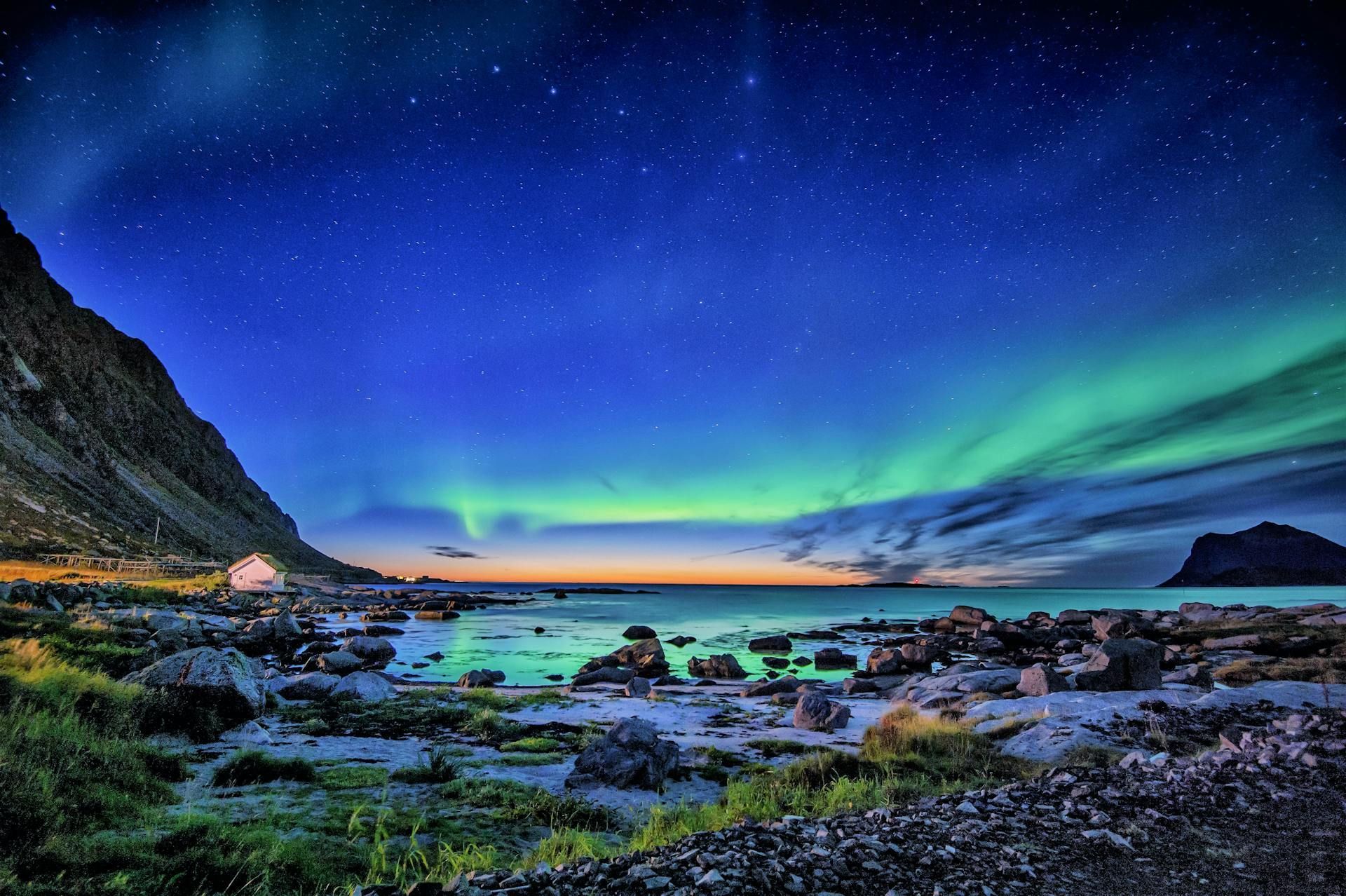
Imagine standing beneath a velvet sky, the air crisp with the promise of autumn, as streaks of light dance across the heavens. This is the magic of the Orionid meteor shower—a celestial spectacle that transforms the night into a canvas of fleeting brilliance. In 2025, the Orionids will reach their peak on the night between October 20 and 21, offering skywatchers across the United States a rare chance to witness nature’s most elegant light show.

With the moon in its new phase, the skies will be dark and inviting, free from the interference of lunar glow. This means the Orionids will shine with exceptional clarity, making it one of the most accessible and breathtaking meteor showers of the year. Whether you’re a seasoned stargazer or a curious traveler seeking a moment of wonder, the Orionids promise an experience that is both intimate and awe-inspiring.

The Cosmic Origins of the Orionids

The Orionid meteor shower is not just a random display of shooting stars—it is a celestial echo of one of the most famous comets in history: Halley’s Comet . Every October, as Earth passes through the debris trail left behind by this ancient traveler, tiny particles collide with our atmosphere at speeds of up to 41 miles per second. The result is a dazzling display of meteors that seem to radiate from the constellation Orion, giving the shower its name.

Halley’s Comet, with its 76-year orbit, last graced our skies in 1986 and will return in 2061. But each year, its legacy lives on in the Orionids, a reminder that even the most distant cosmic journeys can leave behind moments of beauty for us to witness.

When and Where to Watch the Orionids in 2025

The Orionid meteor shower will be active from late September through early November, but the peak—when the most meteors are visible—will occur on the night of October 20–21. During this time, observers in both the Northern and Southern Hemispheres can expect to see an average of 15–20 meteors per hour under dark skies. On rare occasions, the shower has produced up to 50–75 meteors per hour, though such enhanced activity is not expected in 2025.

The best viewing times will be in the pre-dawn hours, when the constellation Orion is high in the southern sky. For those in the U.S., the radiant—the point from which the meteors appear to originate—will rise above the eastern horizon after 10:00 p.m. local time, but the most spectacular show will unfold between 1:00 a.m. and dawn , when the radiant climbs higher than 30 degrees above the horizon.

  • Dark Skies:** The Orionids will peak during a new moon, meaning the sky will be exceptionally dark and free from moonlight. This creates ideal conditions for spotting even the faintest meteors.
  • Widespread Visibility:** The shower is visible across the entire United States, from the northernmost states to the southernmost regions. Whether you’re in a rural countryside or a remote national park, the Orionids will be within reach.
  • Fast and Bright Meteors:** Orionid meteors are known for their speed and brightness, often leaving behind glowing trails that linger in the sky for a moment before fading into the night.
  • Connection to Halley’s Comet:** Watching the Orionids is like witnessing a piece of cosmic history. Each meteor is a tiny fragment of Halley’s Comet, a celestial traveler that has inspired wonder for centuries.

Watching the Orionids is as much about the experience as it is about the spectacle. Here are some tips to help you make the most of this celestial event:

  • Find a Dark Location:** Escape the glow of city lights and head to a rural area, a national park, or a designated dark sky site. The darker the sky, the more meteors you’ll see.
  • Arrive Early:** Give your eyes time to adjust to the darkness. Arrive at your viewing spot at least 20–30 minutes before the peak hours to let your vision adapt.
  • Dress Warmly:** October nights can be chilly, especially in the early morning hours. Bring a blanket, a warm jacket, and perhaps a thermos of hot cocoa to keep you comfortable.
  • Look Southeast (Northern Hemisphere):** The radiant of the Orionids is near the constellation Orion, which will rise in the southeast. However, meteors can appear anywhere in the sky, so keep your gaze wide and your mind open.
  • Be Patient:** Meteor showers are unpredictable. Some nights are richer than others, and the best displays often come in bursts. Sit back, relax, and let the universe surprise you.

The Orionids are visible from coast to coast, but certain locations offer particularly stunning views. Consider these destinations for an unforgettable meteor-watching experience:

  • Yellowstone National Park, Wyoming:** With its vast open skies and minimal light pollution, Yellowstone is a prime spot for stargazing.
  • Great Basin National Park, Nevada:** This remote park is designated as an International Dark Sky Park, making it one of the best places in the country to see the Orionids.
  • Big Bend National Park, Texas:** The desert skies of Big Bend are renowned for their clarity and beauty, offering a dramatic backdrop for the meteor shower.
  • Acadia National Park, Maine:** On the East Coast, Acadia offers sweeping views of the night sky, especially from its coastal cliffs and open meadows.
  • Joshua Tree National Park, California:** The desert landscape of Joshua Tree provides a surreal setting for watching the Orionids, with the silhouettes of cacti framing the night sky.

The Emotional Resonance of the Orionids

There is something profoundly moving about watching a meteor shower. In those quiet moments beneath the stars, the world seems to slow down. The meteors streak across the sky like fleeting wishes, reminding us of the vastness of the universe and our small but significant place within it. The Orionids, with their connection to Halley’s Comet, evoke a sense of continuity—a reminder that even the most distant cosmic journeys can leave behind moments of beauty for us to witness.

For travelers, the Orionids offer more than just a visual spectacle. They invite us to pause, to reflect, and to connect with the natural world in a way that is both humbling and inspiring. Whether you’re sharing the experience with a loved one or savoring it in solitude, the Orionids are a reminder that the most memorable journeys are often the ones that take us beyond the horizon.

Plan Your Orionid Adventure

The Orionid meteor shower is a gift from the cosmos—a fleeting but unforgettable moment of wonder. As the peak approaches, take the time to plan your adventure. Pack your bags, choose your destination, and prepare to be amazed. The night sky awaits, and the Orionids are ready to dazzle.

So, as the autumn air turns crisp and the stars begin to shine, step outside and look up. The Orionids are coming, and they promise a night of magic, mystery, and celestial beauty.

By Larissa Charleston December 1, 2025
There are cities — and then there is Amsterdam. A place where narrow canal-front houses lean gently into the mirrors of water...

By Carolyn Meredith November 28, 2025
For many, Bermuda is the iconic postcard — pink-sand beaches, turquoise seas, pastel cottages, and easy island breezes. And yes, those elements are undeniably part of its charm...
By Larissa Charleston December 1, 2025
There are cities — and then there is Amsterdam. A place where narrow canal-front houses lean gently into the mirrors of water...
By Carolyn Meredith November 28, 2025
For many, Bermuda is the iconic postcard — pink-sand beaches, turquoise seas, pastel cottages, and easy island breezes. And yes, those elements are undeniably part of its charm...
By Larissa Charleston November 26, 2025
Slow mornings, secret corners, and the everyday rituals that reveal Amsterdam’s true heartbeat.

By Carolyn Meredith November 21, 2025
A day-by-day escape blending pink-sand beaches, crystal caves, and serene island adventures.
By Carolyn Meredith November 19, 2025
A poetic journey through 365 beaches, centuries of intrigue, and the radiant soul of an island that has mastered the art of welcoming wanderers.
By Chris Sherman November 17, 2025
Why the world's most discerning travelers are trading ocean waves for gentle currents—and finding their souls in the process
By Carolyn Meredith November 15, 2025
How Soulful Close Encounters with Animals Spark Adventure, Reflection, and Joy
By Carolyn Meredith November 14, 2025
Dreaming of Galápagos, Seychelles, and the World's Most Magnetic Wildlife Islands
By Carolyn Meredith November 8, 2025
Creating Intimate Adventures Through Travel That Protects and Inspires
By Chris Rosen November 7, 2025
Show More